Egg retrieval is a routine and carefully managed part of in vitro fertilization (IVF), but like any medical procedure, it carries potential risks. Most patients recover quickly with minimal discomfort, yet understanding possible complications helps you recognize warning signs early and feel more confident throughout treatment. This guide reviews what patients should know about egg retrieval, recovery, and the risks involved.
What egg retrieval involves
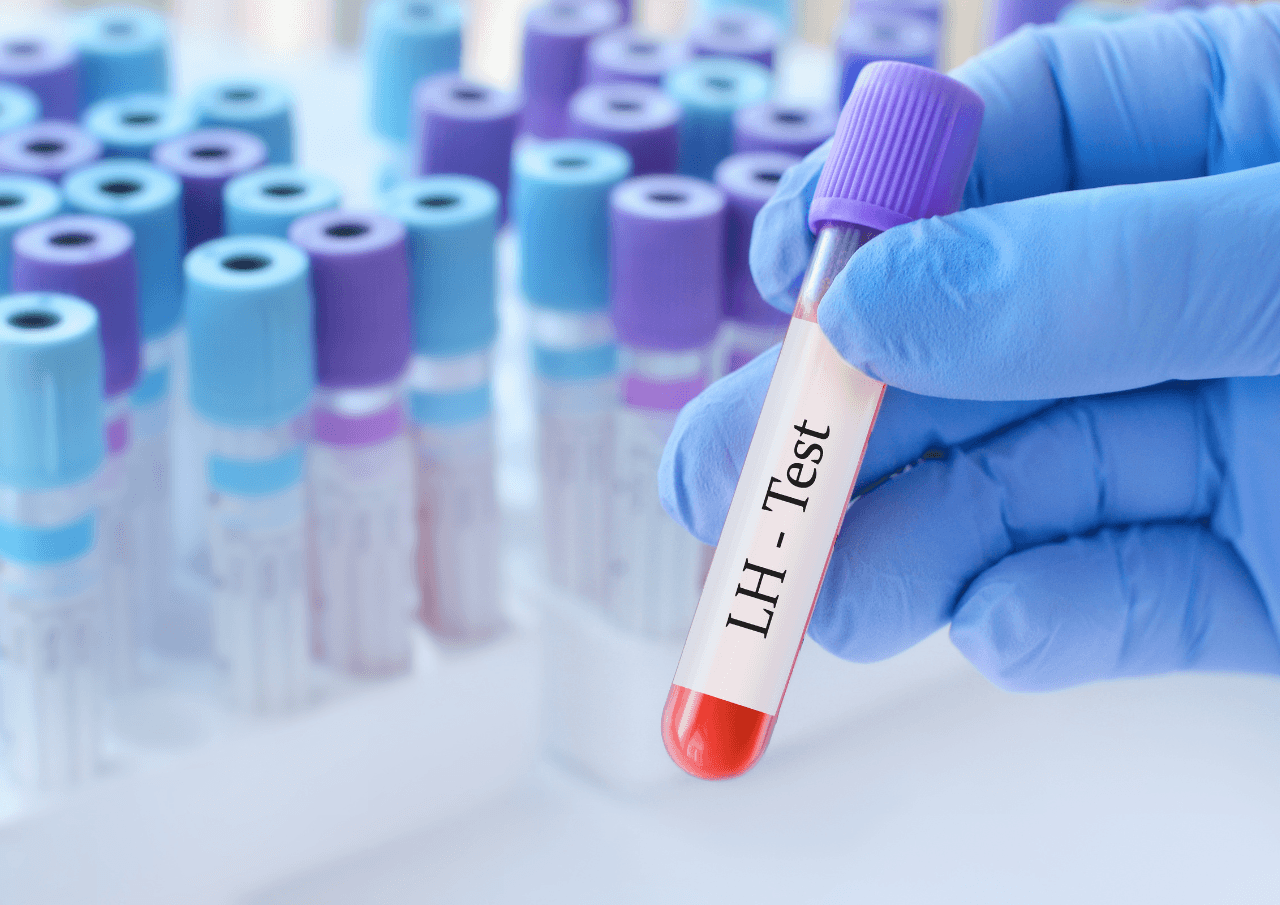
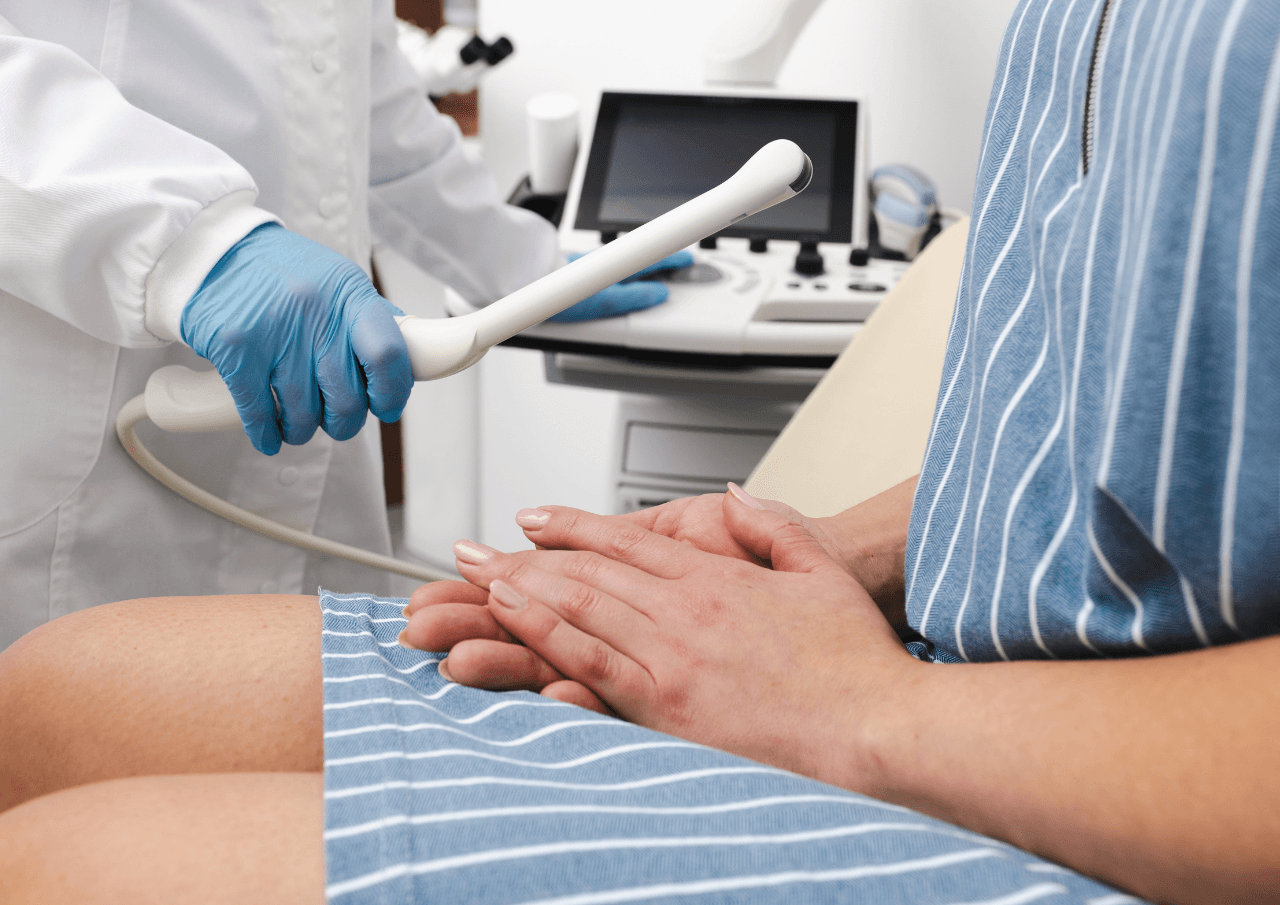
Egg retrieval follows a phase of ovarian stimulation, in which hormone injections encourage the ovaries to produce multiple mature eggs rather than the single egg of a typical cycle. This phase usually lasts about 8 to 14 days, during which your care team monitors progress closely with bloodwork and ultrasound to track hormone levels and follicle growth.
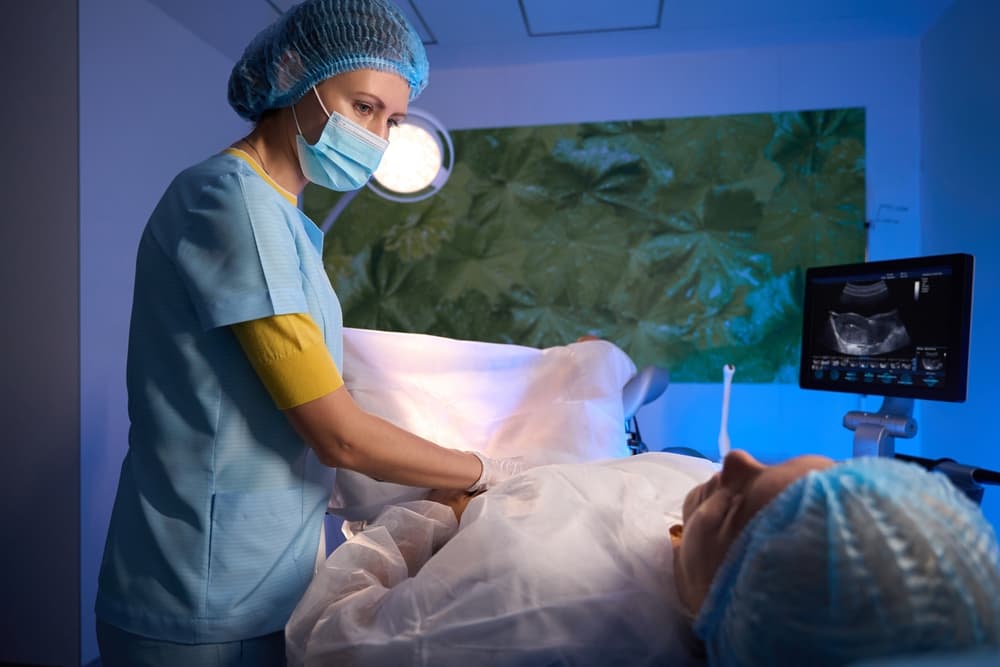
Once the follicles reach the right size, a trigger injection finalizes egg maturation, and the retrieval is scheduled roughly 34 to 36 hours later, just before natural ovulation would occur. On retrieval day, you receive light sedation or anesthesia for comfort. Using ultrasound guidance, the physician inserts a thin needle to gently collect the fluid from each follicle. The procedure itself usually takes about 15 to 30 minutes, after which you rest briefly in recovery before going home the same day.
Common short-term side effects
After egg retrieval, it is normal to experience mild cramping, bloating, pelvic pressure, and light spotting. These symptoms typically resolve within a day or two. Fatigue and temporary breast tenderness may also occur because of lingering hormone effects from the stimulation medications. Most patients return to light activities within 24 to 48 hours.
Rest, hydration, and avoiding strenuous physical activity are recommended during early recovery. Heavy lifting, high-impact exercise, and sexual activity may be restricted briefly to protect the ovaries as they return to their normal size.
Ovarian hyperstimulation syndrome and fluid shifts
One of the better-known potential complications is ovarian hyperstimulation syndrome (OHSS). This occurs when the ovaries respond too strongly to fertility medication, causing fluid to move into the abdomen. Mild cases involve bloating and discomfort, while rare severe cases can include rapid weight gain, shortness of breath, and decreased urine output. Early monitoring substantially reduces serious outcomes, which is one reason frequent ultrasound checks during stimulation are so important.
Other less common risks
Although uncommon, other post-retrieval risks can include infection, internal bleeding, or ovarian torsion (twisting of an ovary). These complications are rare thanks to ultrasound guidance, sterile technique, and careful patient screening. Symptoms such as fever, worsening abdominal pain, heavy bleeding, or persistent vomiting should always be reported right away.
How clinics reduce complication rates
Modern fertility care focuses heavily on prevention. Individualized medication dosing, frequent ultrasound monitoring, careful timing of the trigger injection, and structured post-retrieval follow-up all work together to lower complication rates. Patient education plays a major role too, since reporting symptoms early allows the care team to act quickly. Our fertility team builds these safeguards into every treatment plan.
When to seek care
Mild cramping, bloating, and spotting are expected and usually improve within a couple of days. Contact your care team promptly, or seek urgent care, if you experience significant or worsening abdominal pain, severe bloating, rapid weight gain, shortness of breath, a noticeable drop in urine output, heavy vaginal bleeding, persistent vomiting, or a fever. These can be signs of OHSS or another complication that benefits from prompt evaluation. When symptoms feel severe or are escalating quickly, treat them as urgent.
Frequently asked questions
Is egg retrieval painful? The procedure is done under sedation or light anesthesia, so you should not feel pain during it. Mild cramping and bloating afterward are common and usually short-lived.
How long is recovery? Most patients resume light activity within 24 to 48 hours, while avoiding strenuous exercise and heavy lifting for a short period.
How common is OHSS? Severe OHSS is rare, and careful monitoring and individualized dosing make it less likely. Reporting symptoms early is the best protection.
Ready to schedule?
Understanding what to expect helps you move forward with confidence. If you are preparing for egg retrieval and want expert guidance at every step, call (703) 462-8665 or request an appointment online for comprehensive IVF care with advanced monitoring and personalized planning from Anna Health.
Educational content; not a substitute for individual medical advice.