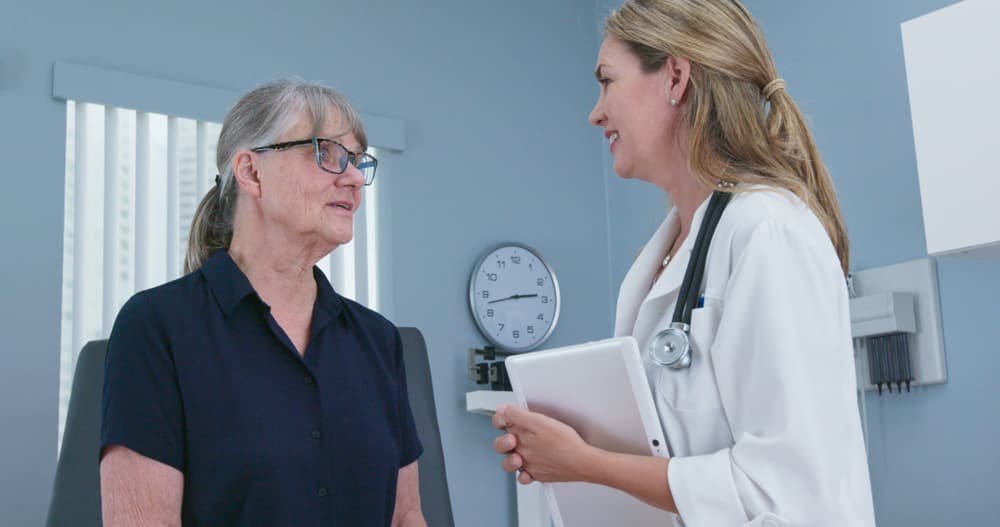
Your hormones affect virtually every part of your health, so when something is off, you tend to notice, especially when the thyroid is involved. If fatigue, weight changes, or other unexplained symptoms have crept in, a primary care provider experienced in thyroid and women's health can help you find answers and a plan. Here is what to know about thyroid symptoms and how to choose the right provider.
What hypothyroidism is and why it happens
Hypothyroidism occurs when the thyroid gland does not produce enough hormone. Thyroid hormones are key messengers that regulate metabolism, energy, and many other essential functions, so even a modest shortfall can ripple across the body.
In women, thyroid conditions are common, in part because of hormonal fluctuations and life stages like pregnancy or menopause that influence thyroid activity. One of the most frequent causes is Hashimoto's thyroiditis, an autoimmune condition in which the immune system mistakenly attacks the thyroid. Because the changes develop gradually, the early signs are easy to overlook.
Symptoms to watch for
Hypothyroidism symptoms often build slowly. Common signs include:
- Persistent fatigue and low energy
- Unexplained weight gain
- Increased sensitivity to cold
- Dry skin and thinning hair
- Constipation
- Heavy or irregular menstrual periods
- Low mood or depression
- Brain fog and difficulty concentrating
These symptoms overlap with many other conditions, which is why evaluation matters. If they persist, it is important to be seen, because untreated thyroid problems can affect long-term health. A simple blood test can measure thyroid hormone levels and help clarify what is going on.
How to find the right provider
If thyroid symptoms persist, choosing a provider who understands hormonal and women's health makes a real difference. Three practical tips:
- Seek providers experienced in hormonal care. Choose someone who regularly evaluates thyroid disorders and understands how they uniquely affect women.
- Look at real patient reviews. Check for mentions of thorough testing, clear communication, and supportive follow-up care.
- Schedule a consultation. Meeting your future care team helps you gauge whether you feel heard, comfortable, and confident in their approach.
A good fit means a provider who not only orders the right tests but also explains your results and partners with you on next steps. Our family medicine team takes this whole-person approach and can coordinate with our gynecology and obstetrics services when women's-health expertise adds value.
When to seek care
Schedule a visit if you have several of the symptoms above for more than a few weeks, a family history of thyroid disease, or new symptoms during or after pregnancy. Seek prompt care for a rapidly enlarging neck mass, difficulty swallowing or breathing, a very fast or irregular heartbeat, or severe fatigue and confusion, as these can signal a thyroid problem that needs urgent attention. Thyroid care is usually ongoing, so regular follow-up helps your provider fine-tune treatment and monitor your response over time.
Frequently asked questions
How is a thyroid problem diagnosed? Usually with a blood test that measures thyroid hormone levels, sometimes along with antibody testing to check for autoimmune causes like Hashimoto's.
Can primary care manage thyroid conditions? Yes. Many thyroid conditions are well managed in primary care, with referral to an endocrinologist for complex cases.
Why are thyroid issues more common in women? Hormonal fluctuations and life stages such as pregnancy and menopause, along with a higher rate of autoimmune thyroid disease, contribute to the difference.
Ready to schedule?
Take control of your thyroid health with care tailored to you. Call (571) 786-1492 or request an appointment online to meet with the Anna Health family medicine team.
Educational content; not a substitute for individual medical advice.