A semen analysis is one of the most important early steps in a fertility journey. It gives your care team a clear picture of male reproductive health and helps guide every decision that follows. Because male factors contribute to roughly half of all infertility cases, testing both partners early is often the fastest, most effective path to answers. This guide explains what a semen analysis measures, what influences the cost, how to prepare, and how results connect to treatments like IUI, IVF, ICSI, and sperm freezing.
What a semen analysis measures
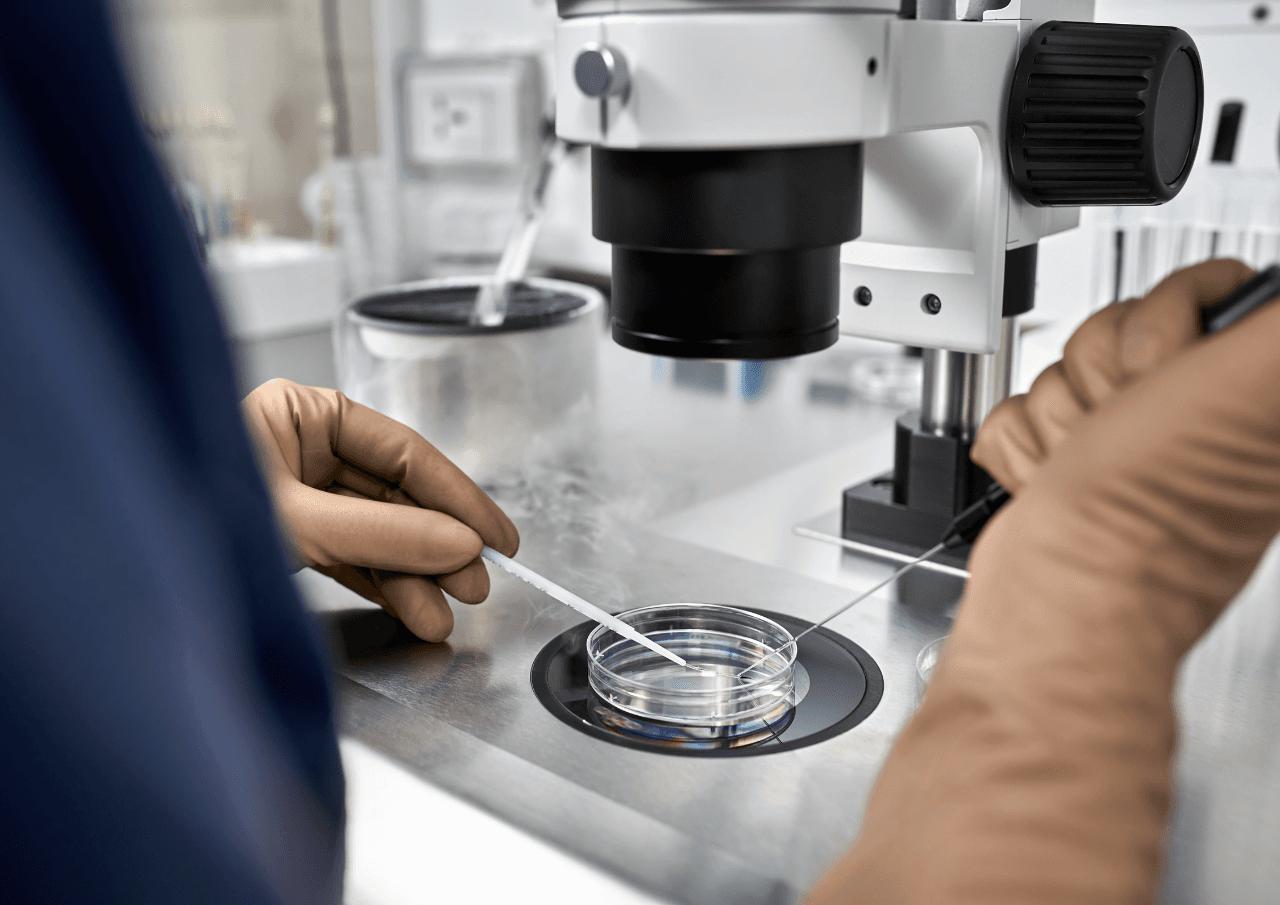
A semen analysis evaluates the health and quality of sperm across several key factors:
- Count (concentration): how many sperm are present in the sample
- Motility: how well the sperm move, which affects their ability to reach an egg
- Morphology: the shape and structure of the sperm
- Volume and pH: additional measures that offer insight into overall sample quality
Together, these results help identify issues that may be affecting fertility and guide the next steps, whether that is a lifestyle change, medication, or an assisted reproductive technique.
What affects the cost of a semen analysis
There is no single price for a semen analysis, and it is best to confirm current costs and coverage directly with the clinic and your insurer. Several factors influence what you pay:
- Type of facility. Private clinics may charge differently than hospital or lab settings based on the services and technology they offer.
- Test complexity. A basic analysis costs less than advanced testing that examines additional sperm characteristics.
- Technology and lab equipment. Modern tools can provide more detailed and accurate results.
Many insurance plans cover diagnostic fertility testing, but coverage varies widely. We strongly recommend contacting your carrier to ask about your benefits and reimbursement, and you can review our information on pricing and insurance or reach out to our team for current pricing.
How to prepare for the test
Preparation is simple, and your provider will give you specific instructions. In general, you will be asked to abstain from ejaculation for about two to five days before the test — not longer — for the most accurate results. It also helps to avoid alcohol and to follow any other guidance your provider gives. Depending on the clinic, you may be able to collect the sample at home and deliver it promptly, or you will be given a private, comfortable space at the clinic. Results are typically available within about a week.
Understanding your results
Results give your provider a clear sense of your odds of fertilization. If everything looks healthy, that is reassuring information. If something is outside the typical range, it does not mean parenthood is out of reach — it simply points to areas to address. Sometimes a second test is recommended, since sperm quality can vary from sample to sample.
Advanced and comprehensive testing
Beyond a basic count, advanced semen testing can reveal subtle patterns that standard screening might miss. Some patients also benefit from evaluation related to sperm DNA quality, since damage to genetic material can affect embryo development. These deeper insights let your specialist tailor a plan that fits your exact situation rather than relying on guesswork.
Hormone and additional testing
If sperm production is low or results are abnormal, hormone testing is often the next step. A blood test can measure levels such as FSH, LH, testosterone, and prolactin to check for an imbalance that may be contributing. When needed, your provider may recommend genetic testing or imaging to rule out inherited or structural causes. Semen analysis and hormone testing together identify the cause in a large share of cases.
How results guide treatment
The right treatment depends on what the testing reveals. Options range from straightforward to highly specialized:
- Lifestyle changes and medication. Adjusting diet, reducing alcohol and smoking, managing stress, getting adequate sleep, staying hydrated, and avoiding excessive heat (such as hot tubs and saunas) can meaningfully improve sperm health. Medications may also help in some cases.
- Intrauterine insemination (IUI). A less invasive option that places prepared sperm directly into the uterus, often preferred when sperm counts are adequate.
- In vitro fertilization (IVF). Eggs are retrieved, fertilized in the lab, and an embryo is transferred to the uterus. IVF can also be paired with genetic testing of embryos before transfer.
- ICSI (intracytoplasmic sperm injection). During IVF, a single healthy sperm is injected directly into a mature egg. ICSI is commonly recommended for low count, poor motility, abnormal morphology, prior failed fertilization, or surgically retrieved sperm.
Semen quality during IVF
Even though IVF and ICSI can bypass many natural barriers, healthy sperm concentration and movement still improve the chance of a successful outcome. When morphology is abnormal, specialized lab techniques help embryologists select the most promising sperm. Because sperm DNA quality matters for embryo development, supporting sperm health before treatment is worthwhile.
Donor sperm and sperm freezing
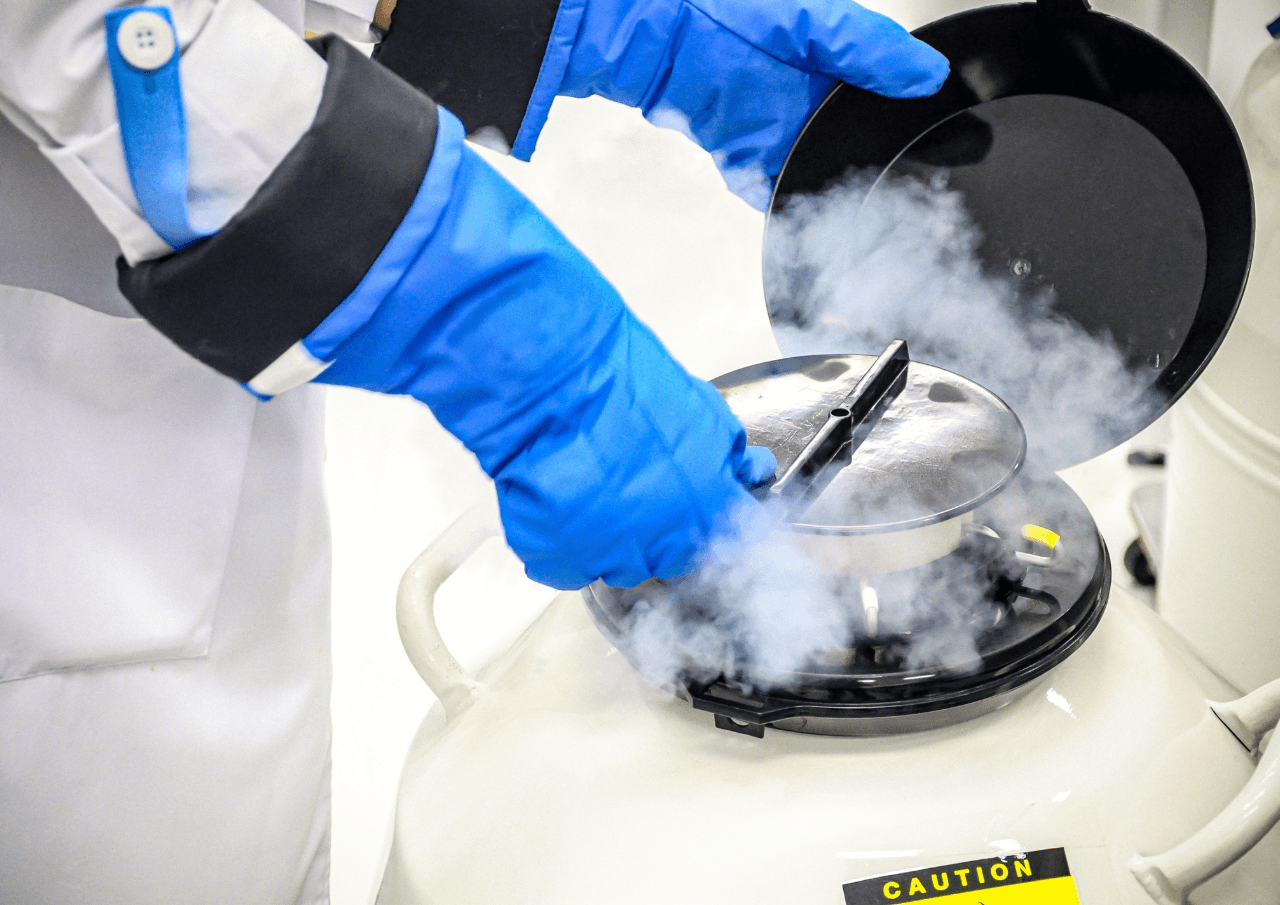
For some individuals and couples, IVF with screened donor sperm offers a reliable path to fertilization without lowering success rates. Others choose sperm freezing (cryopreservation) to preserve fertility — for example, before certain medical treatments, surgeries, or for personal and timing reasons. Frozen sperm can remain viable for years when stored properly and later used for IUI or IVF.
When to seek care
It may be time to schedule fertility testing if:
- You have been trying to conceive for a year, or six months if the female partner is over 35
- You want to understand potential challenges sooner rather than later
- You are preparing for IUI, IVF, or another assisted reproductive treatment
- There is a known history of reproductive or hormonal concerns
Testing both partners at the same time is usually the most efficient approach.
Frequently asked questions
How long does it take to get results? Results are typically available within about a week.
Can I do the collection at home? Often, yes, depending on clinic protocols. If not, you will have a private space at the clinic.
Does a low result mean I cannot have children? No. Many causes of low sperm quality are treatable, and assisted techniques like IVF with ICSI can help even when results are abnormal.
Talk with Anna Health
A semen analysis is a simple, powerful first step toward understanding your fertility. Our experienced team provides this care with the same compassion and attention we bring to every part of your reproductive health. Learn more about our fertility services, or contact us to get started. You can also call (703) 462-8665 to schedule a consultation.