When your doctor suggests a hysterosalpingogram, it is natural to head online and end up with more questions than answers. This guide explains what an HSG is, why it is one of the first tests in a fertility workup, and how it fits alongside the other imaging tools your provider may use to look inside your uterus and fallopian tubes.
What Is a Hysterosalpingogram (HSG)?
A hysterosalpingogram, usually shortened to HSG, is an X-ray procedure that uses a contrast dye to create clear images of your uterus and fallopian tubes. As the dye moves through your body, your provider can see whether your fallopian tubes are open, partially blocked, or fully blocked. The same images can reveal abnormalities inside the uterus, such as fibroids, polyps, adhesions, or congenital differences in shape.
Why You May Need an HSG for Fertility Testing
Structural problems with the uterus and fallopian tubes are among the most common, and most treatable, causes of difficulty conceiving. Knowing exactly where a blockage sits, whether near the uterus, in the middle of the tube, or close to the ovary, helps your provider narrow down the right next step. Because it offers so much insight, an HSG is often recommended as part of the initial fertility evaluation.
What to Expect During the Procedure
The procedure itself usually takes about 10 minutes. It is ideally performed after your period ends but before you ovulate, often around days seven to 10 of your cycle. You lie on an X-ray table while your provider gently inserts a thin catheter through the cervix and releases dye into the uterus and tubes, while a fluoroscope captures real-time imaging. Many providers suggest taking a standard dose of ibuprofen about an hour beforehand to ease cramping.
Understanding Your HSG Results
If the dye flows freely from the uterus through both fallopian tubes, that is considered a normal result. A blockage is often easy to spot: the dye stops at the point of obstruction or does not pass through the tube at all. Changes in the shape of the uterus or uterine cavity distort the dye pattern, giving your provider clues about possible issues.
If your results look abnormal, try not to panic. Identifying the cause is frequently the turning point in a fertility journey. Depending on the finding, your provider may recommend a minor procedure to correct a problem, or moving forward with in vitro fertilization, where egg and sperm are combined in the lab so the tubes are no longer needed for transport. Some research even suggests the dye flush itself may have a temporary therapeutic benefit.
Related Imaging: Hysteroscopy, Sonohysterogram, and Ultrasound
An HSG is rarely the only imaging test in fertility care. Your provider may also recommend one or more of the following:
- Hysteroscopy uses a thin, lighted scope passed through the cervix to look directly inside the uterus. It can detect polyps, fibroids, adhesions, and shape abnormalities that other imaging may miss. A diagnostic hysteroscopy is observation only, while an operative hysteroscopy lets your provider treat what they find in real time. Complications are rare.
- Sonohysterogram (saline infusion sonogram) gently fills the uterus with sterile saline during a transvaginal ultrasound, expanding the cavity so structural details show up more clearly. It is often used before IVF or embryo transfer and typically takes less than 30 minutes.
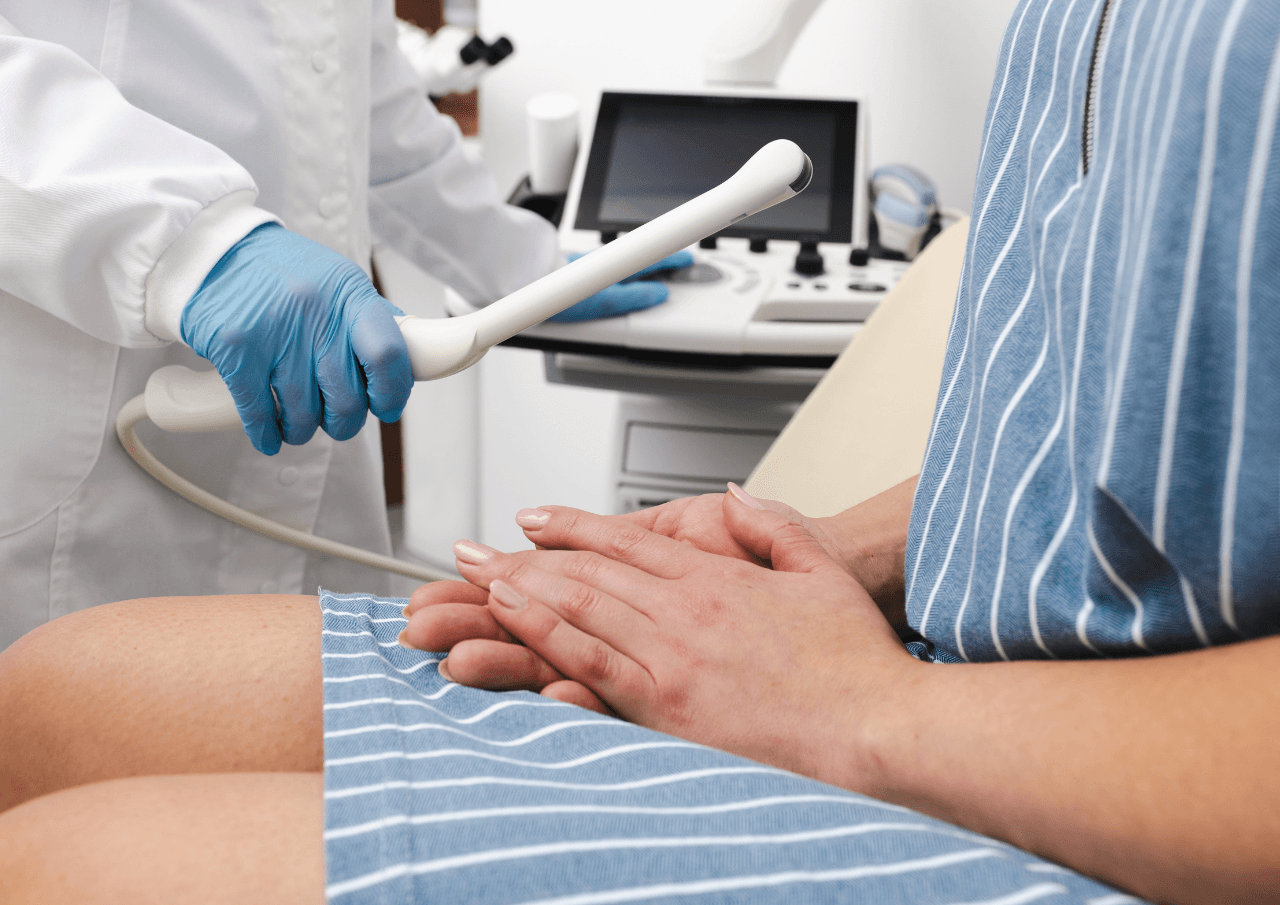
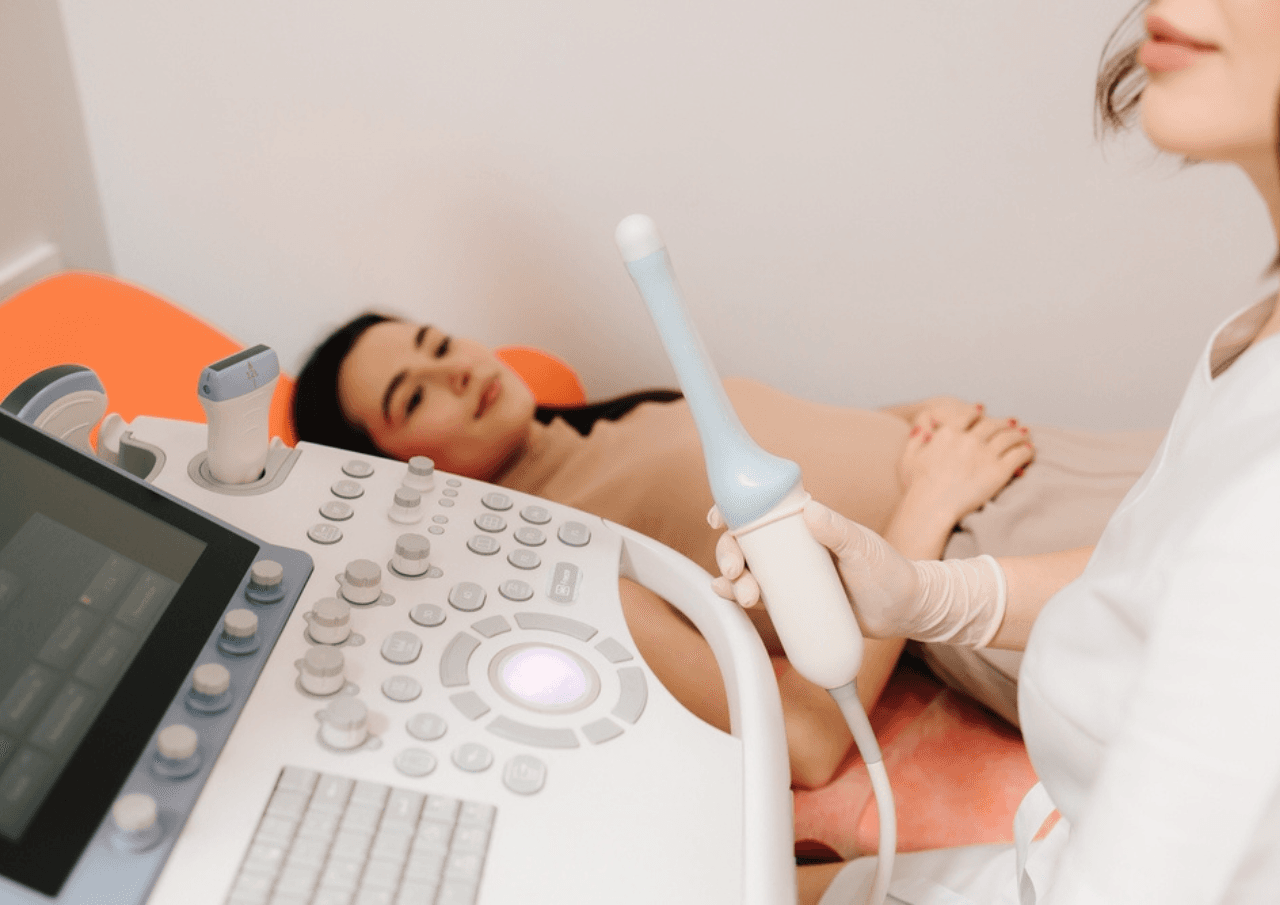
- Transvaginal ultrasound uses a small probe to capture detailed images of the uterus, ovaries, and developing follicles. It is central to monitoring during treatment: tracking follicle growth, measuring the uterine lining, guiding egg retrieval and embryo transfer, and confirming early pregnancy.
Each of these tools gives your care team real-time information so decisions are based on what is actually happening in your body rather than averages.
When to Seek Care
Reach out to your provider if you have been trying to conceive without success, have had recurrent miscarriages, or had abnormal findings on a prior ultrasound. After any of these procedures, mild cramping or light spotting for a day or two is normal. Contact your provider promptly if you develop a fever, heavy bleeding, or severe abdominal pain.
Frequently Asked Questions
Does an HSG hurt? Most patients feel cramping similar to a period. Taking ibuprofen beforehand helps, and the discomfort usually passes quickly.
When in my cycle is it done? Typically after your period ends and before ovulation, often days seven to 10.
How is an HSG different from a sonohysterogram? An HSG uses X-ray and dye and shows whether the tubes are open; a sonohysterogram uses ultrasound and saline and focuses on the uterine cavity.
Ready to Schedule?
Fertility testing offers both answers and peace of mind. Our team at Anna Health will walk you through every step and explain your results in plain language. Call (703) 462-8665 or request an appointment online to begin your fertility evaluation.
Educational content; not a substitute for individual medical advice.