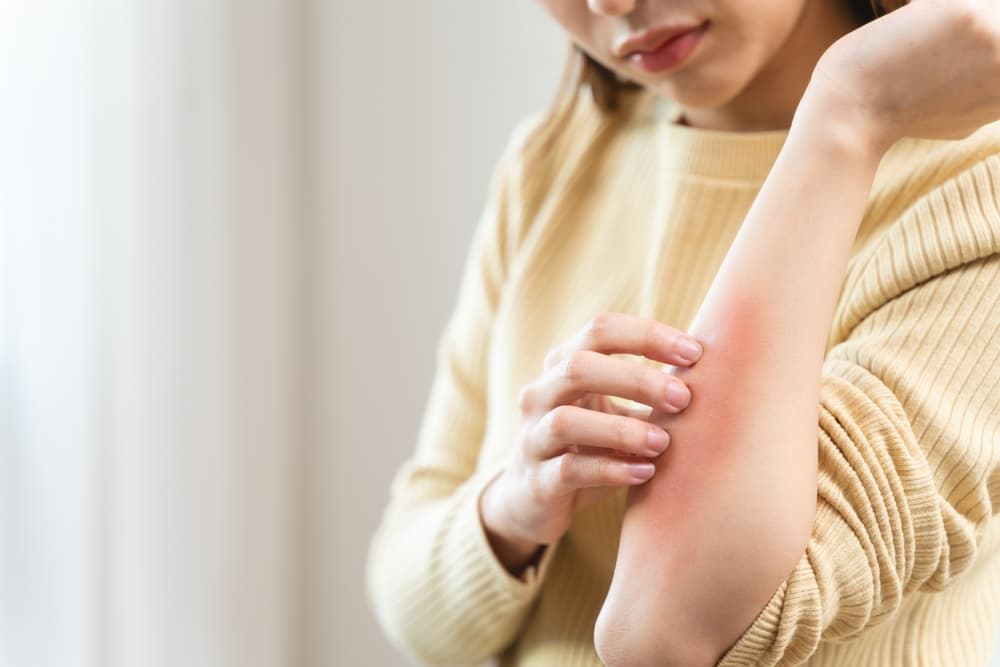
Rashes are incredibly common at any age, yet they can cause confusing and worrying symptoms. Itching, redness, or a sudden rash can disrupt your day and leave you guessing about the cause. The good news is that you often do not have to wait to see a dermatologist; a primary care consultation is frequently the fastest way to get a diagnosis and a custom treatment plan.
Common rashes, why they occur, and what to watch for
Skin rashes develop for many reasons. Frequent culprits include allergic reactions, contact with irritants, infections, heat, autoimmune conditions, and chronic skin disorders such as eczema, contact dermatitis, or psoriasis. A consultation helps determine which of these is behind your symptoms.
Rashes may appear as redness, bumps, scaling, hives, blisters, or patches of dry, itchy skin. Some are mild and resolve on their own, while others can spread, become painful, or signal an underlying condition. Symptoms that deserve closer attention include intense itching, swelling, warmth, oozing, fever, or a rash that rapidly worsens or simply will not improve.
What to expect at your consultation
A visit usually starts with a conversation. Your provider will ask when the skin issue began, whether it is constant or comes and goes, anything that seems to trigger or worsen it, and whether you have other symptoms such as fever, swelling, or itching. If your rash is intermittent or has changed in appearance, bring photos.
Next comes the skin exam. Your provider examines the affected area, noting its location and pattern, color, texture or scaling, and any swelling or signs of infection. They will also ask about recent exposures, new products, medications, allergies, travel, and any underlying health conditions. Based on appearance and history, many rashes can be diagnosed on the spot.
In some cases, additional testing is helpful. Your provider may recommend skin swabs or cultures, blood tests, allergy testing, or a referral to a dermatologist for chronic or severe conditions. This step-by-step approach helps pinpoint the cause rather than guessing at treatment.
Treatment and relief
Most skin conditions and rashes can be treated right away. Common options include topical creams or ointments, oral antihistamines, or antibiotics when an infection is present, along with guidance on gentle skin care and avoiding triggers. You will also receive clear instructions for at-home care and for when to follow up. Early evaluation helps relieve symptoms faster and prevent complications. Our family medicine team addresses both your symptoms and the cause behind them, for adults and children alike.
When to seek care
Schedule a consultation if a rash lasts more than a few days, keeps coming back, spreads, or is accompanied by intense itching that disrupts sleep or daily life. Seek prompt or urgent care if a rash appears with fever, rapid spreading, blistering over large areas, facial or throat swelling, difficulty breathing, or signs of infection such as warmth, pus, or red streaks. A rash that develops suddenly after a new medication also warrants quick evaluation, since it may signal an allergic reaction.
Frequently asked questions
Should I see my primary care provider or a dermatologist for a rash? Primary care is an excellent first stop. Your provider can diagnose and treat most rashes and refer you to a dermatologist for chronic, severe, or unclear cases.
What should I bring to my appointment? Notes on when the rash started and what makes it better or worse, a list of medications and new products you have used, and photos if the rash changes or comes and goes.
Are most rashes serious? No. Many are mild and resolve with simple treatment, but certain warning signs, especially with fever or swelling, mean you should be seen promptly.
Ready to schedule?
You do not have to live with uncomfortable, mysterious skin symptoms. Call (571) 786-1492 or request an appointment online to find timely, compassionate care at Anna Health family medicine.
Educational content; not a substitute for individual medical advice.