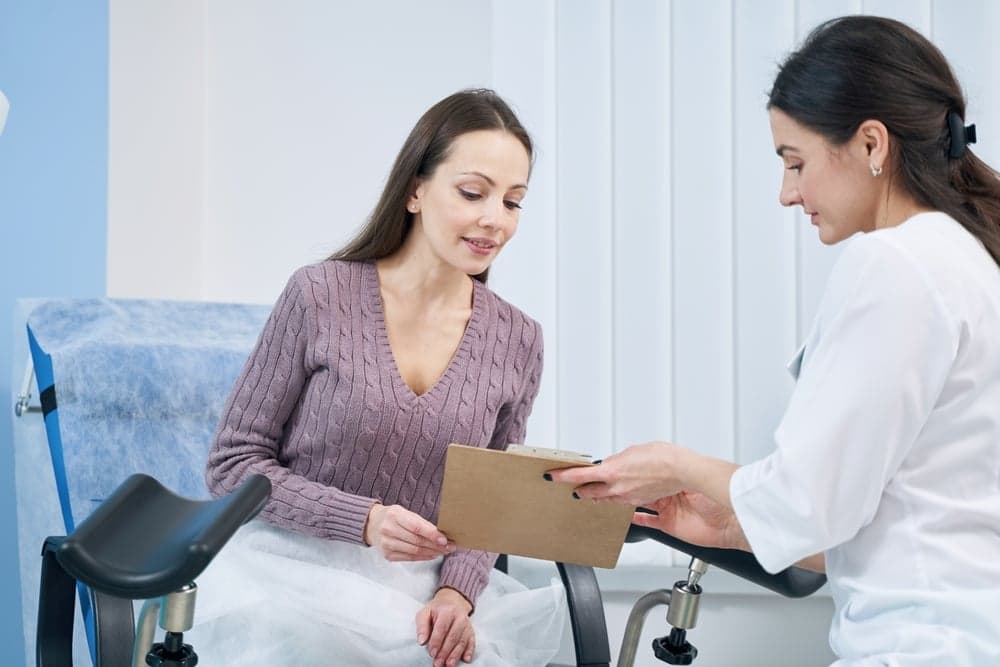
Taking time for your health is one of the most important things you can do, and scheduling a well-woman exam is a key part of that routine. These annual visits are designed to support your overall wellness, provide preventive screenings, and give you space to talk openly about any concerns. Whether it has been a year or several, getting back on schedule can make a meaningful difference for your long-term health and peace of mind.
Why an annual well-woman exam matters
A well-woman exam is about more than a quick checkup. It helps establish a baseline for your health and allows your provider to catch subtle changes early, when they are easier to address. These visits typically include a review of your medical history, a physical exam, and screenings chosen based on your age and individual needs. Staying consistent with annual exams supports preventive care, which focuses on keeping you healthy rather than only reacting to problems after they appear.
What happens during the appointment
During your visit, your provider will check your vital signs, discuss any changes in your health, and address questions about your menstrual cycle, hormones, contraception, or overall wellness. Depending on your age and history, the visit may include:
- A pelvic exam.
- A Pap smear or cervical cancer screening, if due.
- A clinical breast exam and a discussion of breast health.
- Screening conversations about bone health, heart health, mood, and other age-appropriate topics.
- Updates to vaccinations and a review of your medications.
The appointment is designed to be thorough while still comfortable and respectful of your needs, and you are always welcome to ask the provider to explain anything as you go.
How to prepare for your visit
Preparing for a well-woman exam is simple but helpful:
- Try to schedule your appointment when you are not on your period, if possible.
- Make a note of any symptoms, changes, or questions you want to discuss.
- Bring a list of your current medications and supplements.
- Know your personal and family health history, including any new diagnoses.
Being open and honest with your provider, even about topics that feel awkward, ensures you get the most accurate guidance and the most out of your time.
Building a relationship with your provider
These visits are not just about exams and screenings. They are an opportunity to build a trusted relationship with a provider who understands your health history and your goals. Over time, this continuity helps create more personalized and effective care, and it makes it easier to raise new concerns as life changes.
When to seek care
You do not have to wait for your annual visit if something is wrong. Reach out promptly for new pelvic pain, abnormal or heavy bleeding, bleeding after menopause, a new breast lump or skin change, or any symptom that worries you. For sudden severe pelvic pain, heavy bleeding, fever, or fainting, seek urgent or emergency care rather than waiting for a scheduled exam.
Frequently asked questions
How often do I need a well-woman exam? Many women benefit from an annual visit, but the right interval for specific screenings, such as a Pap smear, depends on your age and history. Your provider will advise.
Do I always need a Pap smear at each visit? Not necessarily. Cervical cancer screening follows age- and history-based intervals, so you may not need one every year even with annual visits.
Can I bring up non-gynecologic concerns? Yes. A well-woman exam is a good time to discuss overall wellness, mood, sleep, and other health questions.
Booking CTA
If you are due for your annual checkup, now is a good time to book your well-woman exam. Our team at Anna Health offers comprehensive, compassionate care in a supportive environment. Learn more about our gynecology and obstetrics care.
Ready to schedule? Call (703) 642-7522 or request an appointment online.
Educational content; not a substitute for individual medical advice.