What does it take to feel heard and understood when managing the relentless pelvic pain that accompanies endometriosis? With so many clinics and providers out there, it's essential to choose someone who truly understands what you are going through. If you are exploring advanced endometriosis treatment, knowing where to begin can feel like a hard-to-solve puzzle. Here are the details you need to narrow your choices and find the right fit.
Understanding endometriosis and its challenges
Endometriosis isn't just a bad period. It is a chronic condition in which tissue similar to the uterine lining grows in places it doesn't belong — often on the ovaries, fallopian tubes, or other pelvic structures. That tissue responds to hormonal changes just like the uterus does, which can mean painful cramps, digestive problems, fatigue, and fertility struggles.
Because its symptoms overlap with other conditions, endometriosis can be difficult for a general practitioner to diagnose and successfully manage. Many women see several providers and wait years before getting answers. That is why choosing providers who know the ins and outs of complex gynecologic conditions is so important. These specialists are trained to recognize patterns and tailor treatment to the individual. The right plan doesn't only offer relief — it can give patients back their routines, relationships, and peace of mind.
How endometriosis is evaluated
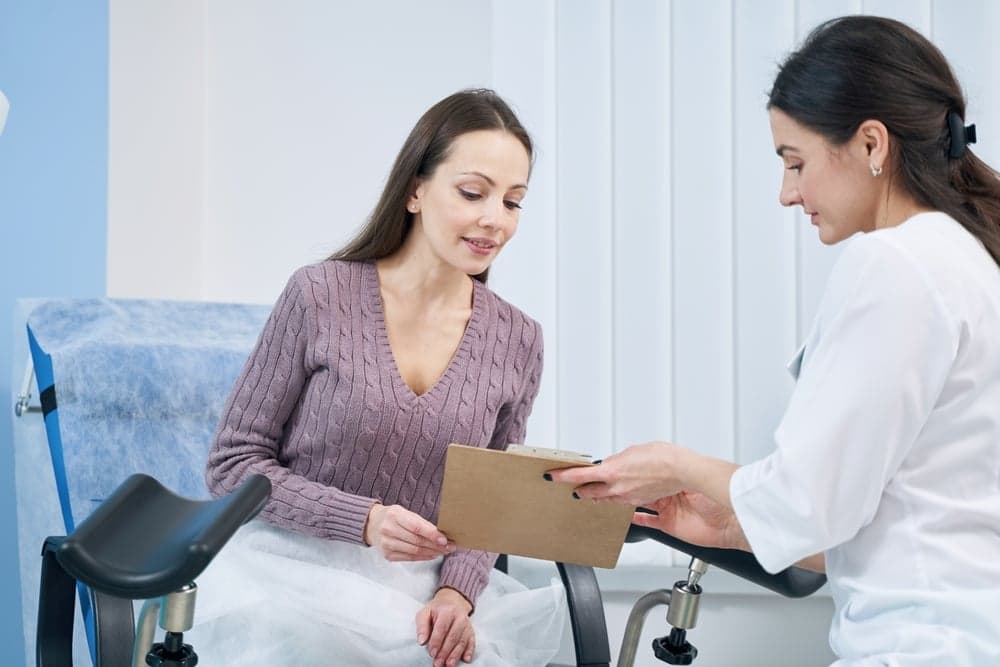
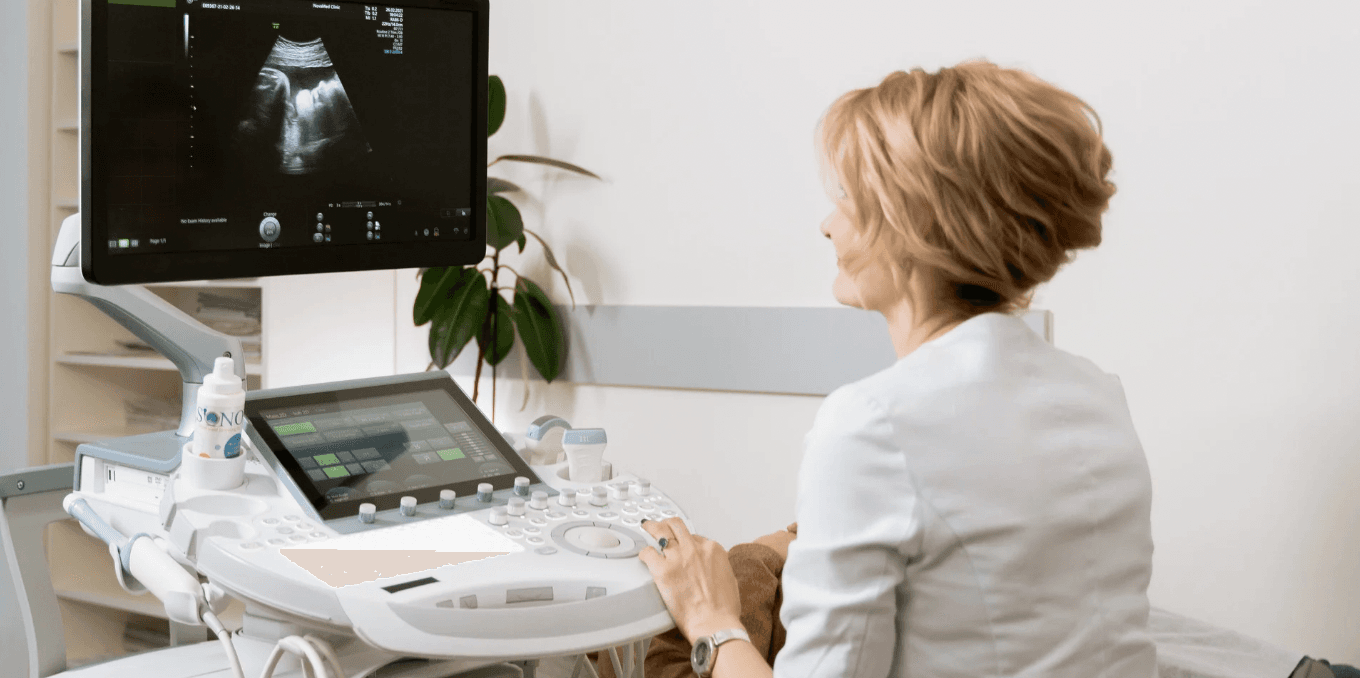
Diagnosis usually begins with a detailed history and a pelvic exam. Imaging such as ultrasound can help identify cysts or other findings, though imaging cannot always confirm endometriosis on its own. In some cases, a minimally invasive surgical procedure (laparoscopy) is used both to confirm the diagnosis and to treat the tissue at the same time. Your provider will explain which steps make sense for your situation.
Navigating advanced treatment
Managing endometriosis looks different today than it did even a few years ago. Treatment is generally tailored to your symptoms, your goals (including fertility), and how the condition is affecting your life. Options often include:
- Hormonal therapies — birth control pills, progestin-based treatments, or other medications that can reduce pain and slow the progression of symptoms.
- Pain management — strategies to address chronic pelvic pain, sometimes alongside pelvic floor physical therapy.
- Robotic-assisted and minimally invasive surgery — advanced surgical approaches that allow specialists to remove endometrial growths with precision, often through small incisions that can mean less pain and a quicker recovery.
- Fertility-focused care — coordinated treatment for those trying to conceive, since endometriosis can affect fertility.
Because no single approach works for everyone, the best results usually come from a plan that combines treatments and is adjusted over time.
Choosing the right provider for you
Finding the right specialist involves a few steps worth taking seriously:
- Look for licensed providers with direct experience treating complex conditions like endometriosis.
- Confirm their credentials and training, particularly in minimally invasive and robotic surgery.
- Read reviews to learn how others felt about the provider's communication, attentiveness, and availability.
- Make sure the location, office hours, and appointment process fit your needs and schedule.
- When possible, schedule a consultation to see how comfortable you feel asking questions and sharing concerns.
Feeling genuinely heard is part of good endometriosis care. A provider who listens carefully is better positioned to build a plan that actually fits your life.
When to seek care
Make an appointment if you have painful periods that interfere with daily life, chronic pelvic pain, pain with intercourse or bowel movements, or difficulty getting pregnant. Seek prompt care for severe or sudden pelvic pain, heavy bleeding, fever, or fainting, which can signal a complication needing immediate evaluation.
Frequently asked questions
Is endometriosis curable? There is no cure, but symptoms can be effectively managed with the right combination of treatments, and many women find significant relief.
Will I need surgery? Not always. Many people are managed with hormonal and pain treatments. Surgery is considered for confirming the diagnosis or treating tissue that isn't responding to other approaches.
Does endometriosis affect fertility? It can, but many women with endometriosis conceive, sometimes with fertility-focused support. Discuss your goals with your provider.
Ready to schedule?
Take a confident step toward better health. Anna Health offers modern, individualized treatment for endometriosis, including minimally invasive surgical options. Call (703) 642-7522 or request an appointment online, and learn more about our gynecology and obstetrics services.
Educational content; not a substitute for individual medical advice.