Experiencing intense menstrual cramps or pelvic pain that interferes with daily life can feel unbearable. If you have been struggling, an endometriosis consultation with a gynecologist may be the step that finally brings answers. Endometriosis can affect anyone of reproductive age, and because its symptoms often overlap with other conditions, seeing a gynecologist is the best way to get a clear diagnosis and a plan for relief.
What is endometriosis?
Endometriosis occurs when tissue similar to the lining of the uterus grows outside the uterus, often on the ovaries, fallopian tubes, or other pelvic structures. Because this tissue responds to hormonal changes throughout your cycle, it can cause inflammation, pain, and scarring over time. Symptoms can range widely, which is part of why the condition is so often missed or mistaken for something else.
When to see your gynecologist about your symptoms
Many people first seek care when their pain becomes abnormal for them. Knowing the common signs can help you decide when to make an appointment. Consider seeing a gynecologist if you experience:
- Menstrual cramps that worsen over time
- Heavy or irregular bleeding
- Pain during sex
- Painful urination or bowel movements
- Bloating or digestive discomfort
- Fatigue
- Difficulty getting pregnant
A gynecologist can help determine whether endometriosis is the cause of your pain or whether another condition is responsible.
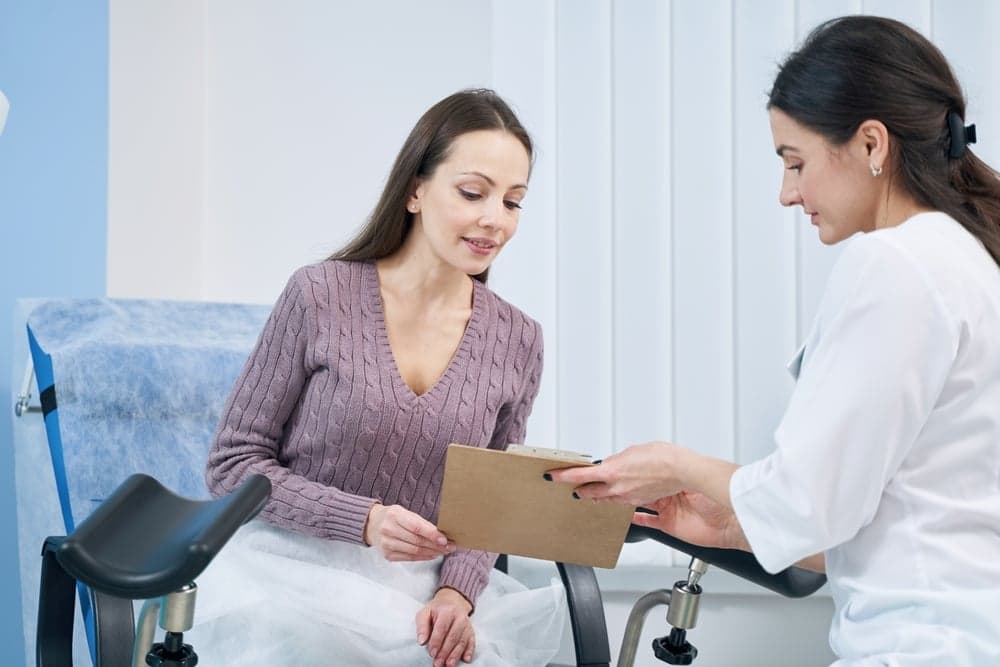
What an endometriosis consultation involves
Your gynecologist will begin with a detailed discussion of your symptoms and menstrual history, followed by a pelvic exam. Imaging tests, such as ultrasound or MRI, can help identify abnormalities like cysts, though they cannot rule the condition out on their own. In many cases, a minimally invasive procedure called laparoscopy is the most reliable way to confirm the diagnosis, because it allows your provider to view the tissue directly.
These steps help your provider create a personalized plan that targets your unique symptoms and goals. The consultation is also a chance for you to ask questions, share how the symptoms are affecting your life, and understand what comes next.
Treatment options for endometriosis
Your treatment will depend on the severity of your symptoms and whether you wish to preserve fertility. Options often include:
- Pain management with appropriate medications
- Hormonal therapies that can reduce tissue growth and ease discomfort
- Laparoscopic surgery in more advanced cases, to remove or reduce endometrial tissue and relieve pain
The aim is to relieve pain, protect your reproductive health, and improve your quality of life. Because endometriosis is a long-term condition for many people, ongoing follow-up helps ensure your plan continues to fit your needs as they change.
When to seek care
You should seek care if menstrual pain is interfering with work, school, or daily activities, if pain is steadily worsening, if you have pain with sex or bowel movements, or if you are having difficulty conceiving. Pain that does not respond to over-the-counter measures, or that keeps you home from your usual activities, is a clear reason to be evaluated rather than to keep waiting.
Frequently asked questions
Can endometriosis be diagnosed without surgery? Symptoms, a pelvic exam, and imaging can strongly suggest endometriosis, but laparoscopy is the most definitive way to confirm it.
Will treatment affect my fertility? Treatment plans take your fertility goals into account. Be sure to tell your provider if you hope to conceive, so your plan can be tailored accordingly.
Is endometriosis pain related to how severe the condition is? Not always. The amount of pain does not reliably match the extent of the disease, so even milder symptoms are worth discussing.
Ready to schedule?
Taking control of your health is easier with an experienced team beside you. Our gynecologists at Anna Health are here to help you find relief and renewed well-being. Learn more about our gynecology and obstetrics services, call (703) 642-7522, or request an appointment to schedule your endometriosis consultation today.
Educational content; not a substitute for individual medical advice.