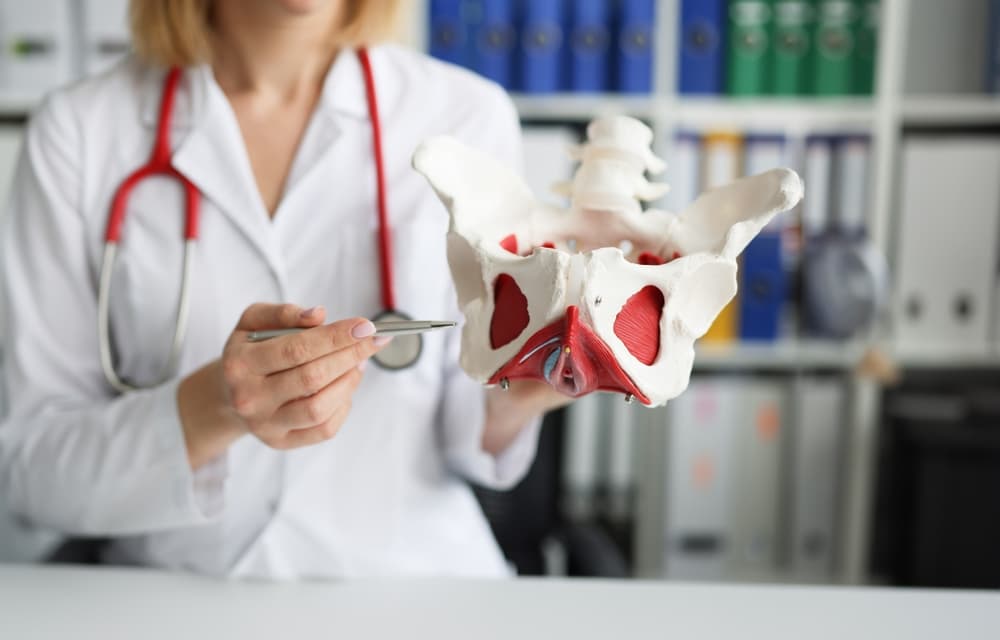
If you have been experiencing unexplained symptoms in your pelvic area, it is time to listen to your body. Many people wait years before realizing that disruptive symptoms like painful intercourse or leaking can often be improved, sometimes relatively easily. Pelvic floor therapy may be all it takes to start feeling like yourself again. The gynecology team at Anna Health can help you determine whether it is right for you.
What Is the Pelvic Floor?
The pelvic floor is a group of muscles that support the bladder, bowel, and reproductive organs. When these muscles are too weak, too tight, or not working together as they should, the result can be a wide range of uncomfortable and sometimes frustrating symptoms. Pelvic floor therapy is a treatment designed to retrain and rebalance these muscles.
7 Signs You May Need Pelvic Floor Therapy
These symptoms are your cue to take action rather than something to brush aside or simply tolerate. Common signs that point to pelvic floor dysfunction include:
- Urinary incontinence or leaking when you cough, sneeze, or laugh
- Persistent pelvic pressure, heaviness, or aching
- Pelvic pain with no clear cause
- Lower back pain that does not respond to traditional treatment
- Discomfort or pain during sexual activity
- Muscle spasms, tension, or tightness in the pelvic region
- A history of pelvic injury, such as from childbirth, surgery, or trauma
If one or more of these sound familiar, an evaluation can help you understand what is going on and what can be done about it.
Why Personalized Treatment Matters
Pelvic floor therapy works best when it is tailored to your unique symptoms, diagnosis, and health history. There is no single approach that fits everyone. Depending on your needs, a personalized plan may include hands-on techniques such as manual therapy, biofeedback to help you learn to relax or strengthen the right muscles, education about habits and posture, and customized exercises you can do over time. The right plan can dramatically improve your quality of life.
Because the symptoms of pelvic floor dysfunction overlap with other conditions, an evaluation by a knowledgeable provider is an important first step. Your provider can confirm the cause of your symptoms and design a treatment plan that targets it directly.
What to Expect From an Evaluation
A pelvic floor evaluation begins with a conversation about your symptoms, your medical and surgical history, and how the issue is affecting your daily life. From there, your provider may assess the strength, coordination, and tone of the pelvic floor muscles to understand whether they are weak, overly tight, or out of sync. This assessment guides the treatment plan and gives you a clear baseline to measure progress against. Many people feel relieved simply to have a name for what they have been experiencing, and to learn that effective, non-surgical help is available. Treatment is gradual, and your provider will adjust the plan as your muscles respond and your symptoms improve.
When to Seek Care
Reach out to a provider if you are leaking urine, feel ongoing pelvic pressure or pain, experience discomfort during intercourse, or have lower back or pelvic symptoms that are not improving. These issues are common, treatable, and nothing to be embarrassed about. The sooner you seek care, the sooner you can find relief.
Frequently Asked Questions
Is pelvic floor therapy only for people who have given birth? No. While childbirth is a common cause of pelvic floor issues, anyone can develop them, including those who have never been pregnant.
Does treatment require surgery? Often, no. Many pelvic floor concerns improve with conservative, non-surgical therapy. Your provider will recommend the least invasive effective option.
How long until I notice results? This varies by person and condition. Many people notice gradual improvement over a series of sessions as the muscles respond to treatment.
Schedule Your Visit
You do not have to live with disruptive pelvic symptoms. Our compassionate team is ready to support you with treatments designed to reduce or eliminate them. To schedule a visit with the team at Anna Health, call (703) 642-7522 or contact us so you can start feeling like yourself again.