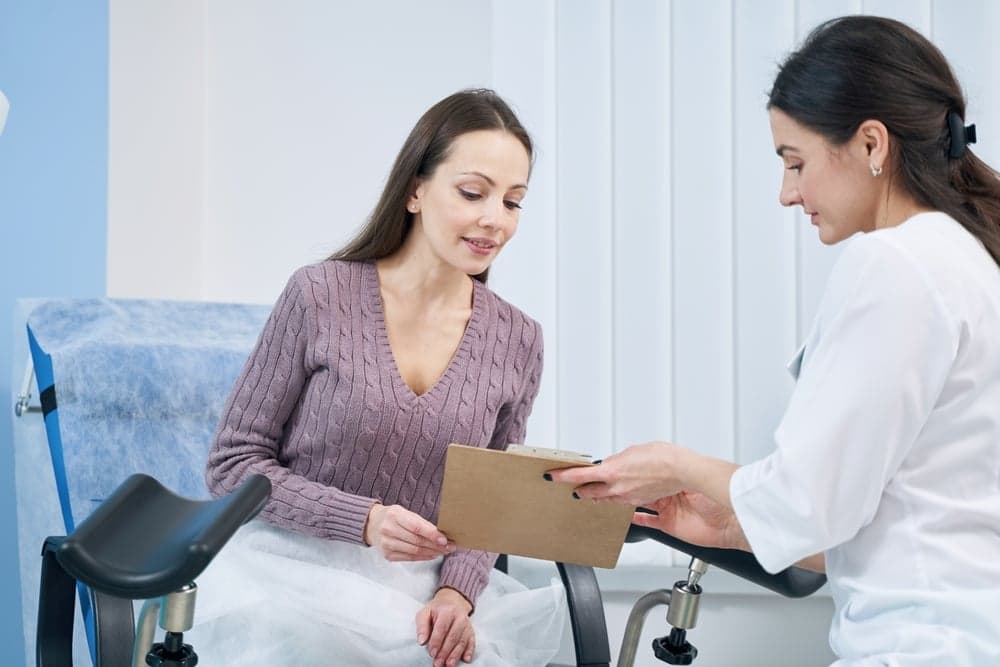
Booking your first gynecology appointment might feel a little intimidating, but it's one of the most important steps you can take for your long-term health. These visits aren't just about addressing problems, they're about building a foundation of preventive care, education, and reassurance. Understanding what to expect can ease the nerves and make the whole process feel far more approachable.
What Happens at Your First Visit
During your first visit, your provider will begin by asking about your medical history, menstrual cycles, sexual health, and any concerns you may have. This conversation sets the stage for care that is tailored to your needs, so it helps to be open and honest. Depending on your age and health history, the visit may include a general physical exam, a breast exam, and a pelvic exam.
For many patients, a pelvic exam may include a Pap smear. This quick test involves collecting a small sample of cells from the cervix to check for abnormalities that could indicate cervical cancer or precancerous changes. When appropriate, HPV testing may be done at the same time. While the idea can sound uncomfortable, the procedure itself is fast and usually causes little more than brief pressure.
Beyond screenings, your first appointment is also a chance to discuss birth control options, fertility planning, or symptoms like irregular cycles, pelvic pain, or unusual discharge. Think of it as your opportunity to ask questions in a safe, supportive environment. No concern is too small to bring up.
How to Prepare
A little preparation goes a long way:
- Note the first day of your last period and whether your cycles are regular.
- List your questions in advance so nothing slips your mind.
- Write down any symptoms, including when they started and how often they occur.
- Bring a list of medications and supplements you currently take.
- Try to schedule when you're not menstruating, if possible, though don't cancel a needed visit over timing.
Why Regular Visits Matter
Routine gynecology appointments are central to preventive health. They help detect issues early, give you peace of mind, and provide tools to support your overall well-being. Consistent visits also let your provider track changes over time and step in quickly if something needs attention. Over the years, this ongoing relationship becomes a real asset, whether you're managing contraception, planning a pregnancy through gynecology and obstetrics care, or navigating menopause.
When to Seek Care
While annual or routine visits are valuable on their own, reach out sooner if you notice any of the following:
- Bleeding between periods or after intercourse.
- Periods that are unusually heavy, painful, or irregular.
- Pelvic pain that doesn't go away.
- Unusual discharge, itching, or odor.
- A missed period when pregnancy is possible.
Seek prompt or urgent care for severe pelvic pain, heavy bleeding that soaks through a pad in an hour, fever with pelvic symptoms, or any bleeding after menopause.
Frequently Asked Questions
At what age should I have my first gynecology visit? Many people benefit from an initial visit in their teens to early twenties, but it's never too late to start.
Will my first visit always include a pelvic exam? Not necessarily. Whether an exam is needed depends on your age, history, and reason for the visit, and your provider will explain the plan first.
Can I bring someone with me? Yes. You're welcome to bring a trusted person for support if that makes you more comfortable.
Booking Your Visit
Your health deserves care that is both compassionate and comprehensive. The Anna Health team makes your comfort and wellness a top priority. To schedule your first appointment, call (703) 642-7522 or request an appointment online.
Educational content; not a substitute for individual medical advice.