Discomfort in the lower abdomen can be disruptive, especially when it is persistent and does not respond to treatment at home. Pelvic pain is one of the most common reasons women see a gynecologist, and while many causes are minor, some need timely attention. Knowing when to seek care helps you address concerns promptly and get reassurance and direction in moments when action matters most.
This guide explains what tends to cause pelvic pain, the warning signs worth taking seriously, and how a gynecologist works through a diagnosis so you can decide on the best next step.
Common causes of pelvic pain
Pelvic pain can come from a range of sources, each affecting the body in different ways:
- Hormonal changes influence the menstrual cycle and can cause aches that come and go throughout the month.
- Urinary or reproductive infections, such as a urinary tract infection or pelvic inflammatory disease, can trigger sudden or persistent soreness.
- Structural issues like fibroids, ovarian cysts, or endometriosis may contribute, sometimes appearing after physical activity.
- Digestive irregularities, including constipation or irritable bowel symptoms, can cause discomfort that is felt in the pelvic region.
Because so many systems overlap in the pelvis, it is not always obvious where pain originates. That is exactly why a professional evaluation is valuable.
Warning signs it is time to schedule a visit
It is time to see a doctor when sharp or sudden pain happens, especially if it comes on without warning or feels intense. Even if the sensation fades quickly, it can point to a problem worth checking.
Pay particular attention to these signals:
- Anyone who is currently pregnant or recently pregnant should take pelvic pain seriously, as it could indicate a complication.
- Pain severe enough that standing or walking becomes difficult.
- Blood in the urine or stool.
- Fever, chills, or unusual sweating alongside pelvic discomfort, which can suggest an infection.
- Nausea or vomiting paired with pelvic pain.
If any of these apply, do not wait. Prompt assessment is the safest path.
How a gynecologist diagnoses the cause
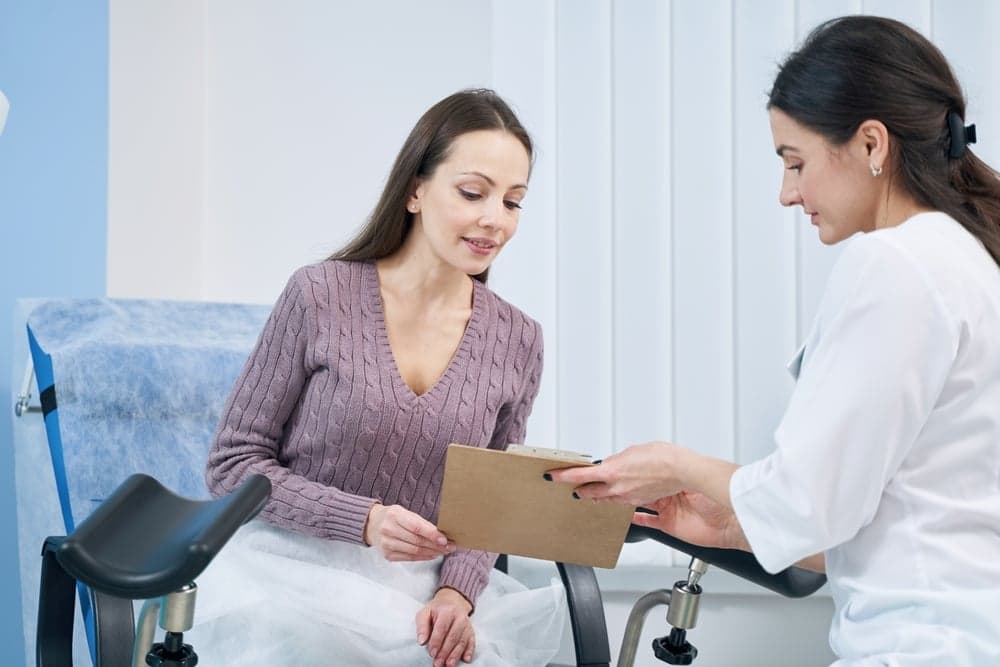
The goal of a pelvic pain evaluation is to pinpoint the problem and decide the best way to treat it. During the visit, your provider reviews your medical background, asks detailed questions about your symptoms, and performs a physical exam to narrow the possible causes.
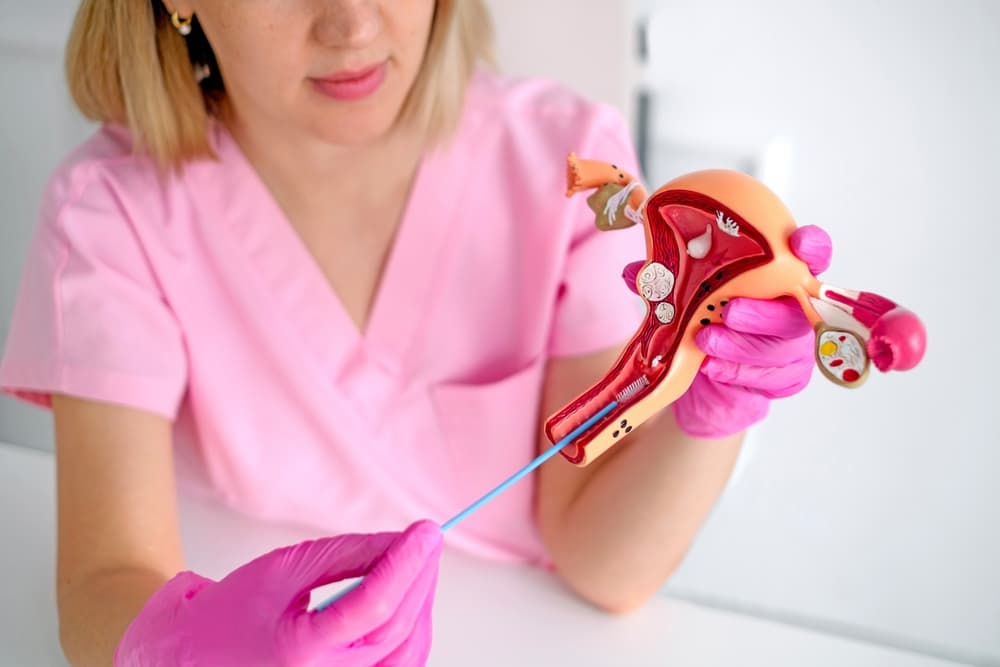
Lab tests or imaging, such as a pelvic ultrasound, may be used to get a clearer picture of what is happening internally. Once the cause is understood, your provider builds a plan that fits your situation. Depending on the diagnosis, treatment may include:
- Medications to manage pain or inflammation
- Hormone therapy for cycle-related issues
- Pelvic floor physical therapy to ease muscle tension
- Minimally invasive procedures or surgery in select cases
Every step is designed to restore comfort and normal daily activity as quickly and smoothly as possible.
When to seek care
Mild, short-lived cramping around your period is usually normal. Seek prompt care for pelvic pain that is severe, sudden, getting worse, or paired with fever, heavy bleeding, fainting, or pregnancy. When in doubt, it is always reasonable to call and ask.
Frequently asked questions
Is pelvic pain always a sign of something serious? No. Many causes are minor and treatable. But because some causes need timely care, persistent or severe pain should always be evaluated.
Do I need to track my symptoms before the appointment? It helps. Noting when the pain occurs, how long it lasts, and what makes it better or worse gives your provider useful clues.
What if my pain comes and goes? Intermittent pain still deserves attention, especially if it recurs or interferes with daily life. Bring it up even if you feel fine the day of your visit.
Ready to schedule?
You do not have to live with unexplained pelvic pain. The Anna Health team offers compassionate, judgment-free gynecologic care to find answers and relief. Call (703) 642-7522 or request an appointment online to get started. Learn more about our gynecology and obstetrics services.
Educational content; not a substitute for individual medical advice.