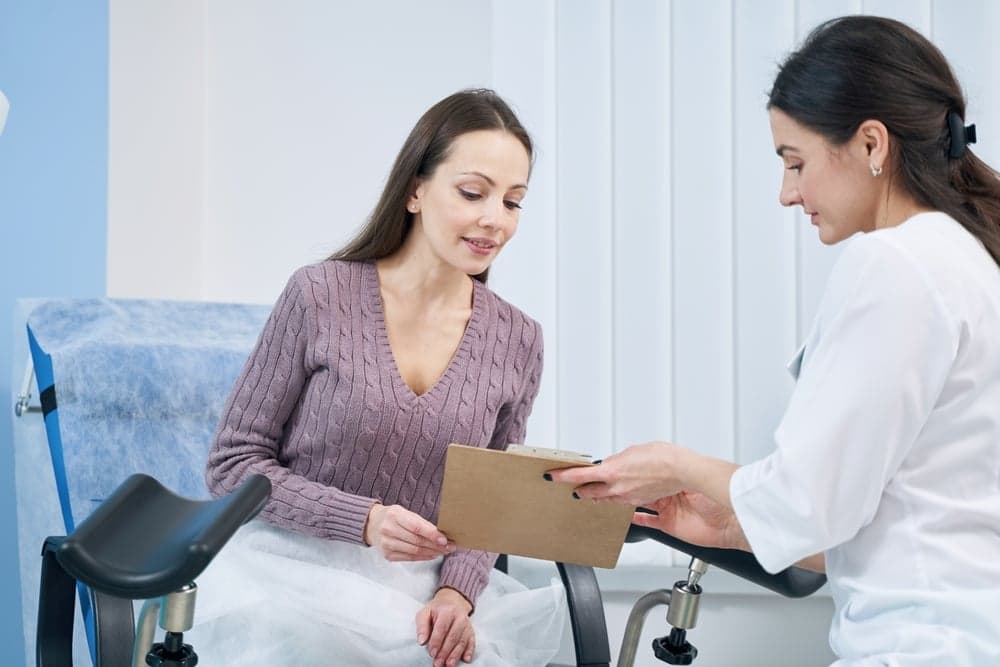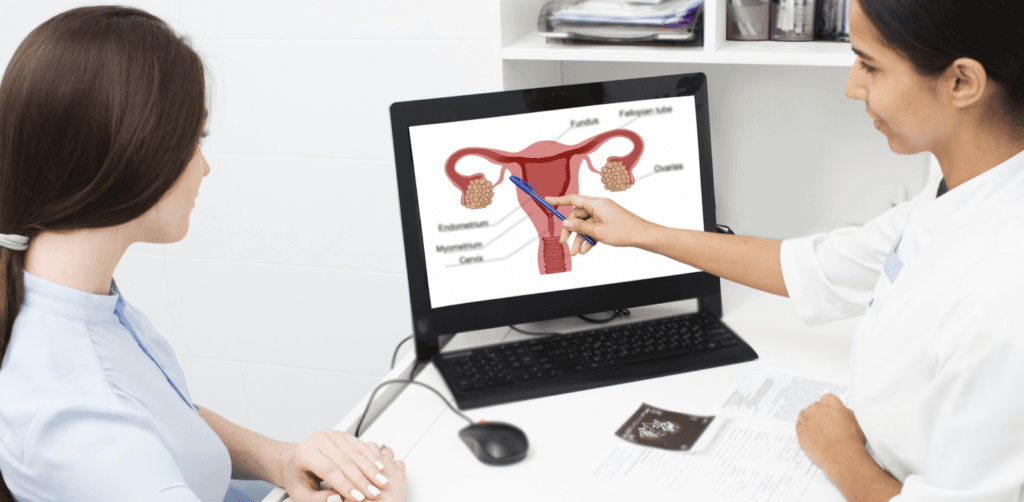
Have you scheduled your first visit to a gynecologist and found yourself feeling nervous? That is completely normal, and the good news is there is really nothing to worry about. Knowing what to expect ahead of time can ease your mind, so here is a simple walk-through of a typical gynecology appointment.
Remember that your gynecologic care specialist is focused on your health and is not there to judge you. Be open about your concerns, ask questions, even the difficult ones, and speak up about any discomfort, physical or otherwise. Building that rapport helps create a more comfortable visit and makes open conversation easier.
What happens during a gynecology appointment?
A typical first appointment includes the following steps:
- Check in. Be ready to complete paperwork and have your medical history handy. You will need your ID and insurance card, and any required payment is usually collected at this time.
- Vital signs. Your weight, blood pressure, height, and pulse will be recorded in your file.
- Medical history review. Your provider will ask about your medical history, menstrual cycle, and sexual activity to understand your overall health.
- Discussion. You will have time to raise any questions or concerns. If helpful, your provider will share educational resources.
- Physical examination. Depending on your age and needs, this may include a pelvic exam, a Pap smear, and a breast exam. Your provider will explain each step before it happens.
- Screenings or tests. It is common to provide a urine sample, and additional tests may be ordered. Many can be done during the visit, though some results take time and may be shared with you afterward by phone or message.
- Your care plan. If needed, your provider will create a personalized plan to support your health. After that, you are free to check out and head home.
When should you see a gynecologist?
You do not need to wait for a problem to schedule a visit. Many people see a gynecologist for routine well-woman care, contraception counseling, screening, and questions about their cycle or sexual health. That said, certain situations call for a prompt appointment, including pelvic pain, unusually heavy or irregular bleeding, missed periods, new discharge or odor, or concerns about pregnancy. Establishing care before you have an urgent issue means you already have a trusted provider to turn to when questions come up.
Tips to help you feel comfortable
Bring a list of questions so nothing slips your mind, and jot down details about your cycle and any symptoms beforehand. If a particular topic feels embarrassing, mention it early, naming it upfront often takes away the awkwardness. Wearing comfortable clothing and arriving a few minutes early can also help the visit feel less stressful. If you would feel more at ease, you are also welcome to bring a trusted friend or family member for support.
When to seek care
Beyond routine well-woman visits, contact your provider if you notice irregular or heavy bleeding, pelvic pain, unusual discharge or odor, pain during sex, or any new symptom that concerns you. Prompt evaluation is the best way to catch and address issues early.
Frequently asked questions
How often should I have a gynecology visit? Many women benefit from a yearly well-woman exam, but your provider may suggest a schedule based on your age and health.
Will I always need a Pap smear? Not at every visit. Pap smear frequency depends on your age and history, and your provider will recommend the right interval for you.
What should I bring to my appointment? Your ID, insurance card, a list of medications, and notes about your cycle and any symptoms you want to discuss.
Ready to schedule?
The team at Anna Health is here for every stage of your journey, at every age. Call (703) 642-7522 or request an appointment with our gynecology and obstetrics team to protect your reproductive health today.
Educational content; not a substitute for individual medical advice.