Endometriosis is a condition that can interfere with daily life, relationships, and comfort — and it often goes undiagnosed for years. The good news is that medical care has increasingly shifted toward safer, less disruptive methods. Treating endometriosis with minimally invasive techniques emphasizes precision and a quicker return to your routine, which can make a meaningful difference for many patients.
Recognizing the Symptoms
Endometriosis develops when tissue similar to the uterine lining grows outside the uterus, often on the ovaries, fallopian tubes, or pelvic lining. Many patients experience:
- Pelvic discomfort or pain
- Heavy or painful periods
- Pain during intercourse
- Difficulty with fertility
- Fatigue or gastrointestinal symptoms, often around menstruation
Because these symptoms overlap with other conditions, endometriosis can be easy to overlook. Medical evaluation becomes important when symptoms persist, intensify, or interfere with your overall health and well-being.
How Endometriosis Is Diagnosed
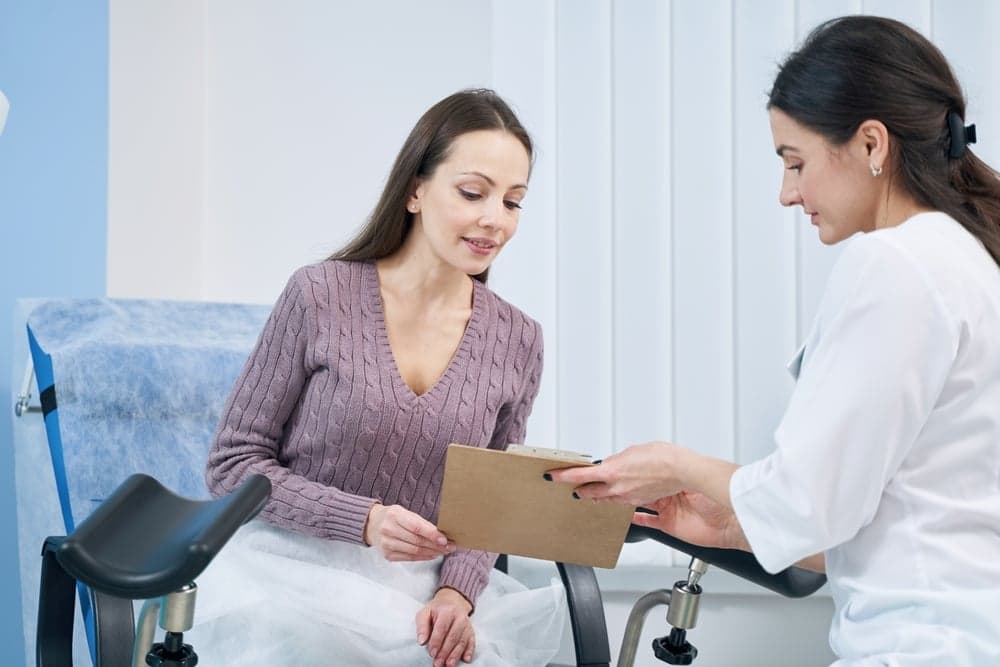
Before treatment begins, a provider works to establish a diagnosis. This typically combines a careful review of your medical history, an assessment of your symptoms, and a physical examination. Imaging tests can help identify signs of abnormal tissue growth, though a definitive diagnosis is sometimes confirmed during a minimally invasive procedure. Taking the time to understand the extent of the condition allows your care team to recommend the most appropriate approach.
Minimally Invasive Treatment Approaches
Several techniques allow providers to address endometriosis through small incisions rather than open surgery:
- Laparoscopic excision and ablation. These procedures remove or destroy abnormal tissue through small incisions, which helps limit discomfort and supports quicker healing.
- Robotic-assisted surgery. This approach offers enhanced precision, improved visualization, and greater flexibility during more complex cases. The surgeon controls advanced instruments to remove endometrial tissue while minimizing trauma and reaching areas that can be difficult to access within the pelvis.
Patients often experience shorter recovery periods when treatment focuses on the targeted removal of endometrial growths. Your provider may also discuss medications or hormone therapy as part of a broader plan, particularly for managing symptoms over the long term.
What Recovery Looks Like
Recovery from a minimally invasive procedure is generally faster than from traditional open surgery. Many people return to light activities within days, with a gradual increase as they heal. Your care team will give you specific guidance on activity, pain management, and follow-up. Because endometriosis can recur, ongoing care and symptom monitoring are an important part of long-term management.
When to Seek Care
Consider an evaluation if you have persistent pelvic pain, periods that are unusually heavy or painful, pain during intercourse, or difficulty becoming pregnant. Seek prompt care for sudden, severe pelvic pain or pain accompanied by fever or fainting. Early evaluation can prevent years of unexplained discomfort and open the door to effective treatment.
Frequently Asked Questions
Is endometriosis curable? There is no permanent cure, but symptoms can often be managed effectively with a combination of surgical and medical treatments tailored to you.
Will minimally invasive surgery affect my fertility? For some patients, removing endometrial growths can improve fertility. Share your family-planning goals with your provider so your plan accounts for them.
How long is recovery after laparoscopic surgery? Many people resume light activity within days, though full recovery varies. Your provider will give you guidance specific to your procedure.
Can endometriosis come back after treatment? Yes, symptoms can return over time, which is why ongoing follow-up and a long-term management plan are an important part of care. Staying in touch with your provider helps you address any return of symptoms early.
Ready to Schedule?
The team at Anna Health specializes in supporting reproductive health and addressing the symptoms that affect your comfort and well-being. With personalized guidance and expert evaluation, we help you understand your options and make informed decisions. Call (703) 642-7522 or request an appointment online. Learn more about our gynecology and obstetrics services.