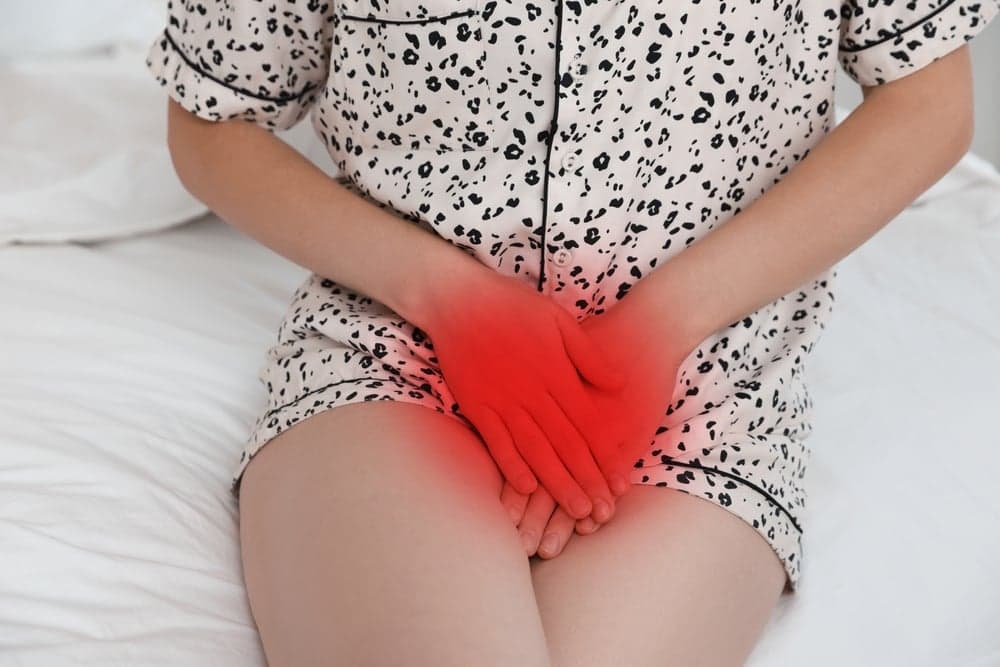
If sexual activity hurts and doesn't feel enjoyable, it might be time to explore urogynecology treatment for painful intercourse — especially when the pain is consistent. Whether you are with a partner or experiencing discomfort on your own, painful intercourse (sometimes called dyspareunia) can be your body's way of signaling an issue that deserves attention.
Painful intercourse is common, treatable, and nothing to be embarrassed about. Understanding the signs can help you decide when to seek care.
Painful intercourse is more than a physical issue
Pain with intimacy can affect your confidence, your relationships, and even your mental well-being. A skilled urogynecologist or women's health provider can help determine what is causing the problem and offer tailored solutions such as pelvic floor therapy, vaginal moisturizers or treatments for tissue changes, or hormone-based therapies. The first step is recognizing when the discomfort is more than occasional.
If you experience any of the following signs along with discomfort during sexual activity, it is worth seeing a women's health specialist.
5 common signs it's time to seek care
You feel burning or stinging during penetration. If inserting anything vaginally — a tampon, finger, or during intimacy — causes a sharp or burning sensation, this could point to vaginal tissue thinning (atrophy), infection, or nerve sensitivity.
Pain persists long after sexual activity ends. Lingering discomfort for hours or even days could indicate pelvic floor dysfunction or a chronic inflammatory condition, both of which are treatable.
You've tried over-the-counter lubricants with no relief. Lubricants might ease mild dryness, but they won't fix hormonal changes, pelvic floor tension, or tissue thinning. Medical treatment often goes beyond what drugstore products can provide.
Intercourse triggers cramping or deep ache. Pain felt deep in the pelvis during sex could point to endometriosis, pelvic adhesions, or uterine fibroids — conditions that benefit from a specialist's evaluation.
You avoid intimacy because it hurts every time. If the anticipation of pain is enough to keep you from being intimate, an evaluation can help identify the cause and a path back to comfort.
What causes painful intercourse?
There is rarely a single explanation. Common contributors include vaginal dryness and tissue changes (often related to hormones, breastfeeding, or menopause), pelvic floor muscle tension, infections, endometriosis, fibroids, and skin conditions affecting the vulva. Sometimes more than one factor is involved, which is why a thorough evaluation matters. Identifying the actual cause is what makes effective, lasting relief possible.
How treatment works
After reviewing your history and performing an exam, your provider will recommend treatment based on what is driving your discomfort. Options may include pelvic floor physical therapy, vaginal moisturizers or prescribed treatments for tissue health, hormone-based therapies when appropriate, treatment of any underlying infection or condition, and counseling support when pain has affected intimacy or stress levels. Many women experience meaningful improvement once the underlying cause is addressed.
When to seek care
Make an appointment if intercourse is consistently painful, if pain persists afterward, or if discomfort is causing you to avoid intimacy. Seek prompt care for new bleeding after intercourse, severe pelvic pain, fever, or unusual discharge, which can indicate an infection or another condition that needs timely evaluation.
Frequently asked questions
Is painful intercourse common? Yes. Many women experience it at some point, and it is very often treatable once the cause is identified.
Will I need invasive treatment? Often no. Many cases respond to pelvic floor therapy, topical treatments, or addressing an underlying condition.
Could menopause be the cause? Hormonal changes around menopause can lead to vaginal dryness and tissue thinning, a common and treatable cause of painful intercourse.
Ready to schedule?
Let's address what's getting in the way of your comfort, reproductive health, and intimacy. The team at Anna Health can evaluate the cause and help you reclaim your quality of life. Call (703) 642-7522 or request an appointment online, and learn more about our gynecology and obstetrics services.
Educational content; not a substitute for individual medical advice.