If you're experiencing heavy periods, pelvic pressure, or frequent urination, it may be time to consider a uterine fibroid consultation. These are common symptoms of a uterine fibroid — a noncancerous growth that develops in or on the uterus. Recognizing the signs early helps you and your provider decide whether evaluation and treatment make sense for you.
Recognizing the Symptoms
Many women with fibroids never notice any symptoms or warning signs at all. When symptoms do occur, they can include:
- Heavy menstrual bleeding
- Pelvic pressure or pain
- Increased or frequent urination
- Lower back pain
- Pain during intercourse
- Abdominal swelling or a feeling of fullness
Because these symptoms can stem from a range of causes, consulting a healthcare provider is the best way to determine what's behind them and what, if anything, needs treatment.
What Happens During a Consultation
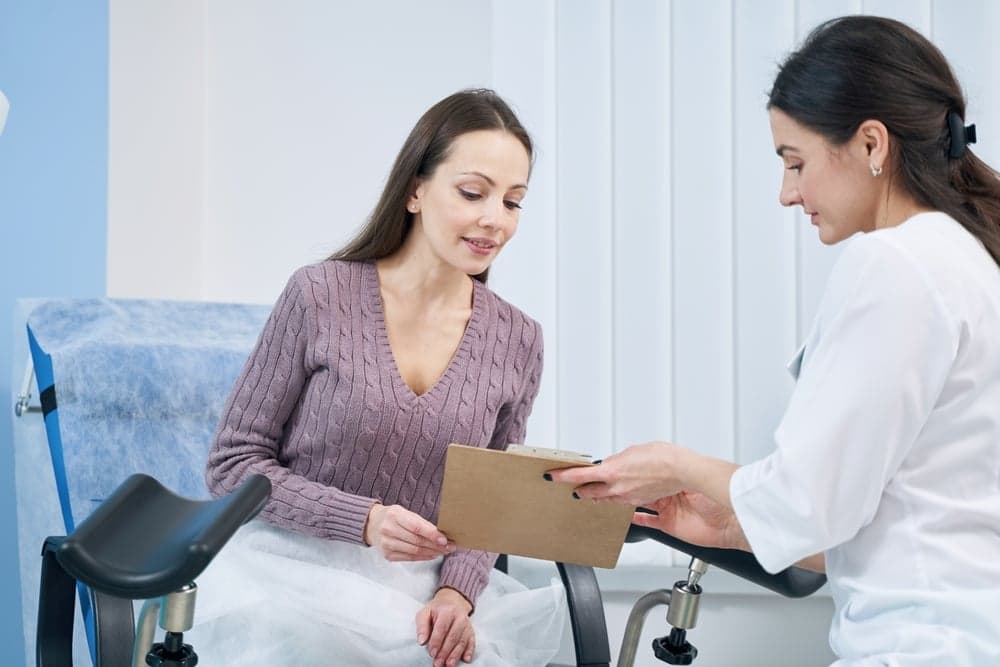
A fibroid consultation typically begins with a conversation about your symptoms and medical history, followed by a physical exam. To confirm the presence, size, and location of fibroids, your provider may order imaging such as a pelvic ultrasound or, in some cases, an MRI. This information allows your care team to recommend an approach suited to your situation rather than a one-size-fits-all plan.
Your Treatment Options
The right treatment for fibroids depends on how severe your symptoms are, the size and location of the fibroids, and whether you plan to have children. Common options include:
- Hormonal therapies, which can help shrink fibroids and manage symptoms like heavy bleeding.
- Minimally invasive procedures, which can block blood flow to fibroids so they shrink without major surgery, or remove them through small incisions.
- Surgical procedures, such as a myomectomy to remove fibroids while preserving the uterus, or a hysterectomy, which removes the entire uterus in more severe cases.
You and your provider will discuss these options together to choose the best course of action based on your needs and goals.
The Process of Recovery
Recovery times vary depending on the treatment you choose. Less invasive procedures and medications often involve shorter recovery periods, while surgical options usually require a longer recovery. Your provider will explain what to expect, including any activity restrictions and follow-up visits, so you can plan ahead with confidence.
It can help to plan for recovery before your procedure. Ask your provider how much time you may need away from work, whether you'll need someone to help at home in the first few days, and when you can safely resume exercise, driving, and other routines. Knowing these details in advance makes the recovery period feel far more manageable. Keep in mind that fibroids can sometimes return or new ones can develop, so ongoing follow-up and symptom tracking remain valuable even after successful treatment. Reaching out promptly if symptoms come back allows your care team to act early rather than waiting until problems become disruptive again.
When to Seek Care
It's worth scheduling an evaluation if heavy bleeding, pelvic pressure, or frequent urination interferes with your daily routine, or if you're having difficulty becoming pregnant. Seek prompt medical attention if you experience bleeding heavy enough to soak through protection every hour, severe pelvic pain, lightheadedness, or extreme fatigue, which can be a sign of anemia from blood loss.
Frequently Asked Questions
Do all fibroids need to be treated? No. Fibroids that don't cause symptoms are often simply monitored over time.
Will treatment affect my ability to have children? That depends on the treatment and your individual situation. Share your family-planning goals with your provider so your plan reflects them.
How are fibroids diagnosed? Usually through a combination of your symptom history, a physical exam, and imaging such as a pelvic ultrasound.
Ready to Schedule?
If your symptoms may be related to uterine fibroids, the best step is to consult a professional. The experienced gynecology team at Anna Health can help you understand which treatment plan fits your needs and goals. Call (703) 642-7522 or request an appointment online, and learn more about our gynecology and obstetrics services.