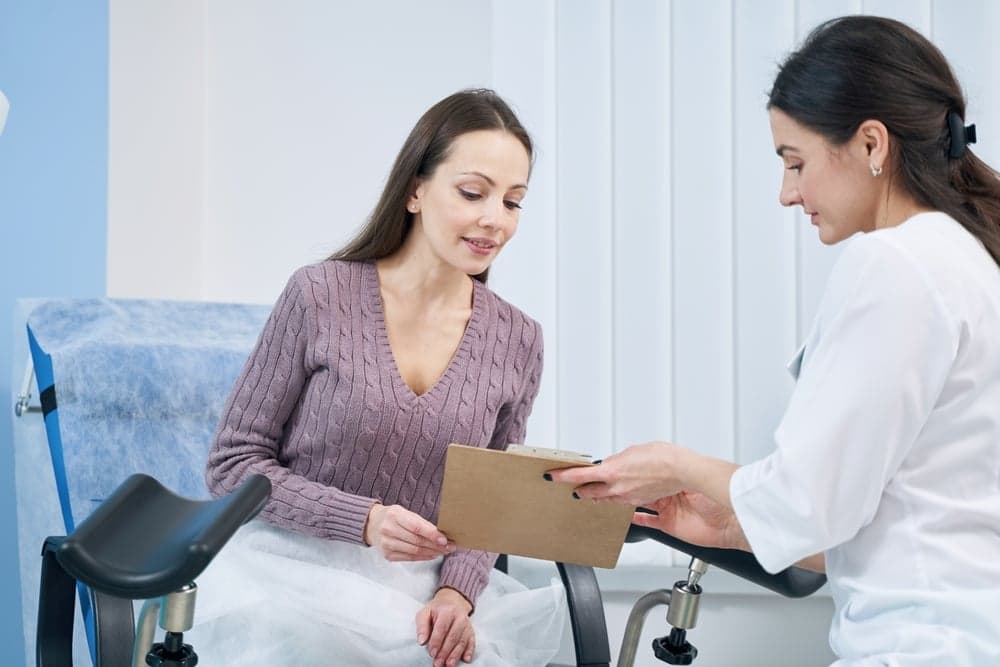
Uterine fibroids are growths made of muscle and connective tissue that develop in the uterus. They vary widely in size and number, and they are very common. Symptoms such as heavy menstrual bleeding, pelvic pain, and pressure on the bladder or bowel can be unsettling and may prompt you to seek out a uterine fibroid specialist. While it is wise to schedule an evaluation promptly, there is usually no need to panic. The gynecology team at Anna Health can help you understand your options.
What Are Uterine Fibroids?
A uterine fibroid, also known as a myoma or leiomyoma, is a non-cancerous tumor that originates from the muscle tissue of the uterus. Fibroids can grow inside the uterine cavity, within the uterine wall, or on the outer surface. Many people have fibroids without any symptoms at all and may not even know they have them.
When symptoms do occur, they commonly include:
- Heavy or prolonged menstrual bleeding
- Pelvic pain or pressure
- Frequent urination or difficulty emptying the bladder
- Constipation
- Lower back pain
- Pain during intercourse
Are Uterine Fibroids Cancerous?
In the vast majority of cases, fibroids are benign. Very rarely, a cancerous growth called leiomyosarcoma can develop in the uterine muscle. This is uncommon, accounting for fewer than 1 in 1,000 cases. It is important to understand that having ordinary fibroids does not mean you will develop cancer.
Certain factors can influence the likelihood that a uterine growth is cancerous rather than a typical fibroid. Age is significant, with risk increasing as you get older, particularly after age 50. Rapid growth of a mass can also be a reason for closer evaluation. These are matters your gynecologist will assess individually.
How Fibroids Are Diagnosed and Treated
A specialist will perform an evaluation based on your symptoms and the suspected location of any growths. This may include a pelvic exam and imaging tests such as ultrasound or MRI. If a growth has unusual features, additional testing may be recommended.
Treatment depends on your symptoms, the size and location of the fibroids, your overall health, and whether you wish to become pregnant. Options range from watchful waiting for symptom-free fibroids, to medications that manage bleeding and symptoms, to minimally invasive or surgical procedures to remove or shrink fibroids. Your provider will help you weigh the choices and choose the approach that fits your goals.
When to Seek Care
Make an appointment if you experience heavy menstrual bleeding that soaks through pads or tampons quickly, periods lasting longer than a week, persistent pelvic pressure or pain, frequent urination, or pain during intercourse. Seek prompt care for sudden, severe pelvic pain or bleeding that leaves you feeling weak or lightheaded.
Although it is unlikely that fibroids will become cancerous, you should never delay evaluation when you have bothersome symptoms. Early assessment leads to more treatment options and faster relief.
Frequently Asked Questions
Do fibroids always need to be removed? No. Many fibroids that cause no symptoms can simply be monitored. Treatment is generally reserved for fibroids that cause problems.
Can I still get pregnant with fibroids? Many people with fibroids conceive and carry healthy pregnancies. Depending on size and location, some fibroids can affect fertility or pregnancy, which your provider can discuss.
Will fibroids shrink on their own? Fibroids often shrink after menopause as hormone levels decline. Before then, they may stay stable or grow gradually.
Schedule Your Visit
If you are experiencing symptoms that may be related to uterine fibroids, an evaluation can give you answers and a clear path forward. To book an appointment with a gynecology provider at Anna Health, call (703) 642-7522 or contact us today.